High Oleic Sunflower Oil Coconut Oil
What is High Oleic Sunflower Oil Coconut Oil?
High oleic sunflower oil is a type of sunflower oil that has a higher concentration of oleic acid, a monounsaturated fat. It is produced from specific varieties of sunflowers bred for this trait. Coconut oil is extracted from the flesh of mature coconuts.
Is High Oleic Sunflower Oil Coconut Oil vegan?
High Oleic Sunflower Oil Coconut Oil is not animal-derived. Products that contain it can still include other animal-derived ingredients, so check the full ingredient list.
Is High Oleic Sunflower Oil Coconut Oil a major allergen?
Not a major allergen.
What is High Oleic Sunflower Oil Coconut Oil used for?
These oils are used in packaged foods as cooking oils and to provide a specific mouthfeel and texture.
Is High Oleic Sunflower Oil Coconut Oil safe?
Both high oleic sunflower oil and coconut oil are generally recognized as safe (GRAS) by the FDA for use in food.
Why it's used
These oils are used in packaged foods as cooking oils and to provide a specific mouthfeel and texture. They are often found in baked goods, cereals, and snack foods. Their stability makes them suitable for frying and baking.
Health notes
Both high oleic sunflower oil and coconut oil are generally recognized as safe (GRAS) by the FDA for use in food. Coconut oil is high in saturated fat, and while research is ongoing, typical consumption in a balanced diet is not linked to adverse health outcomes. High oleic sunflower oil is higher in monounsaturated fats, which are considered heart-healthy. JECFA and EFSA have evaluated various fats and oils, including those similar to these, and have established safety guidelines.
Allergen info
Not a major allergen. Coconut is botanically a fruit, not a tree nut, and is not one of the FDA's nine major allergens.
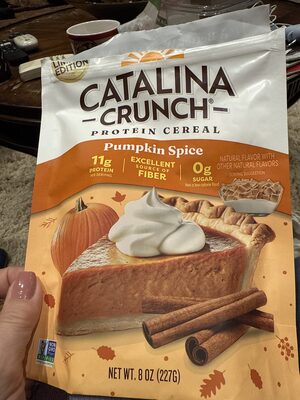
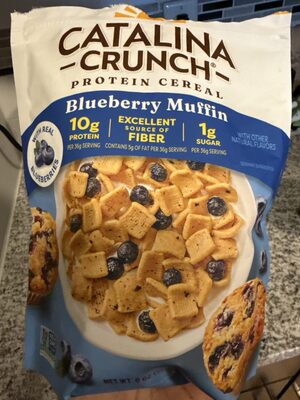
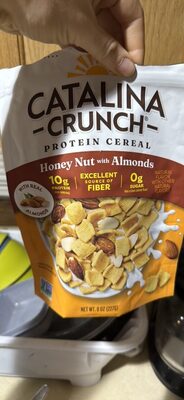
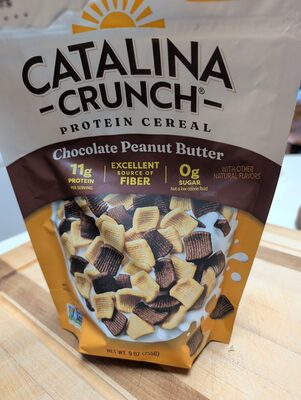
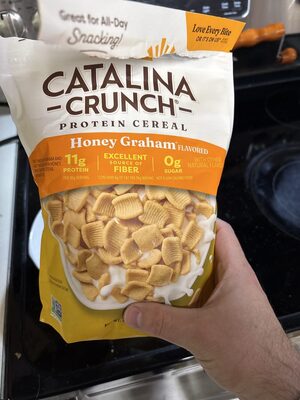
Foods that contain High Oleic Sunflower Oil Coconut Oil
Compare products →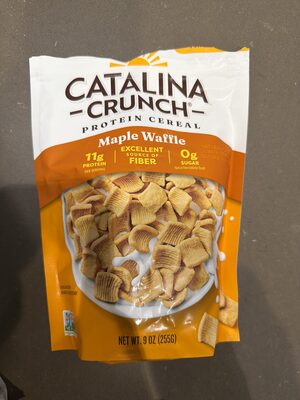
Learn more
Auto-generated content. This description was generated automatically and is pending editorial review. Inaccuracies are possible. Found a mistake? Contact us.