Husk
What is Husk?
Husk refers to the dry outer covering of a seed or grain. In food, it most commonly refers to the outer layer of grains like wheat, oats, or rice, which is removed during milling. This fibrous layer is often separated from the inner grain kernel.
Is Husk vegan?
Husk is not animal-derived. Products that contain it can still include other animal-derived ingredients, so check the full ingredient list.
Is Husk gluten-free?
If derived from wheat, it would contain gluten, but wheat husk itself is not typically considered allergenic.
Is Husk a major allergen?
Husk is not a major allergen.
What is Husk used for?
Husk is used as a source of dietary fiber in foods.
Is Husk safe?
Husk is generally recognized as safe (GRAS) by the FDA when used as a food ingredient.
Why it's used
Husk is used as a source of dietary fiber in foods. It can be added to baked goods, cereals, and pasta products to increase their fiber content. It is also sometimes used as a natural thickener or bulking agent.
Health notes
Husk is generally recognized as safe (GRAS) by the FDA when used as a food ingredient. It is primarily a source of insoluble fiber, which can aid digestion. Regulatory bodies like JECFA and EFSA have evaluated fiber sources, and they are considered safe components of a balanced diet. High fiber intake can help with digestive regularity.
Allergen info
Husk is not a major allergen. If derived from wheat, it would contain gluten, but wheat husk itself is not typically considered allergenic.
Foods that contain Husk
Compare products →
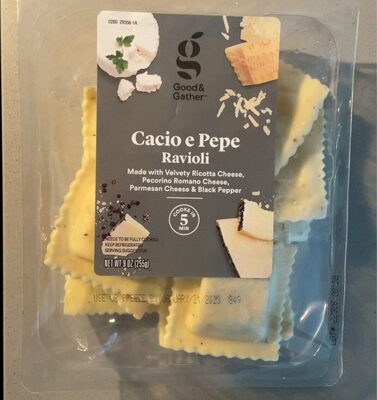
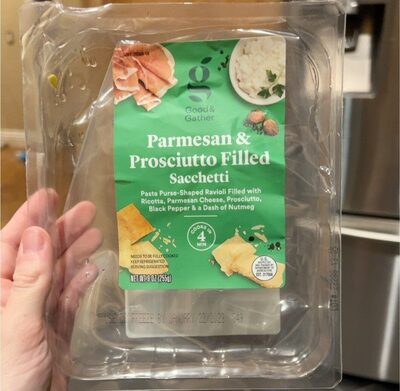
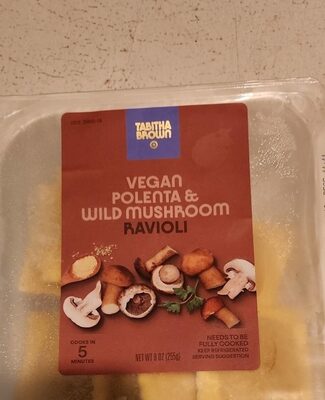
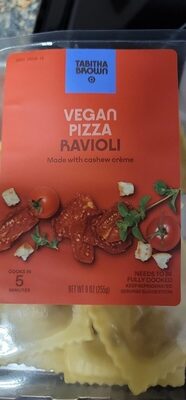
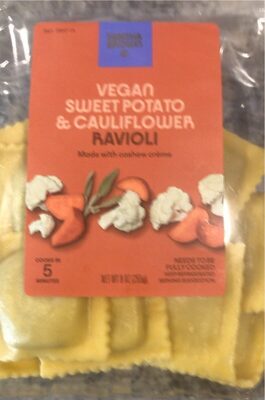
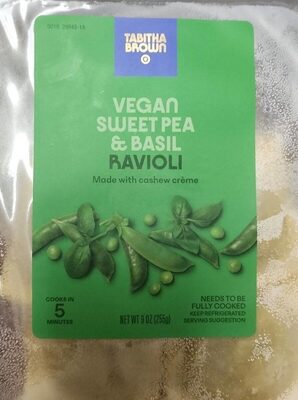 Tabitha Brown
Vegan Sweet Pea & Basil Ravioli, Vegan Sweet Pea & Basil
200kcal
7Protein
5Fat
32Carbs
Learn more
Auto-generated content. This description was generated automatically and is pending editorial review. Inaccuracies are possible. Found a mistake? Contact us.