Auto-generated content.
This description was generated automatically and is pending editorial review.
Inaccuracies are possible. Found a mistake? Contact us.
Source
Not animal-derived
Allergen
No
Role in food
Manufacturers use this blend as a fat source in baked goods and confectionery. It …
What it is
This is a mixture of oils from palm kernels and coconuts that have been chemically treated to make them more solid and stable. The process, called hydrogenation, adds hydrogen atoms to the oils, changing their texture and melting point. This results in a semi-solid fat that is shelf-stable and resistant to rancidity.
Why it's used
Manufacturers use this blend as a fat source in baked goods and confectionery. It provides a smooth texture, helps prevent ingredients from separating, and contributes to a richer mouthfeel. It is commonly found in candies, chocolates, cakes, cupcakes, and snack cakes.
Health notes
Hydrogenated oils are generally recognized as safe (GRAS) by the FDA when used as intended. The process of hydrogenation can create trans fats, though modern methods aim to minimize their formation. Regulatory bodies like JECFA and EFSA have evaluated fats and oils, including hydrogenated versions, and have established guidelines. While trans fats have been linked to negative health outcomes, the levels present in foods made with current hydrogenation techniques are a subject of ongoing scientific discussion.
Allergen info
Not a major allergen. Coconut is botanically a fruit, not a tree nut, and is not one of the 9 major allergens.
Products containing Hydrogenated Palm Kernel And Coconut Oil
Note:
This site presents label data from USDA FoodData Central for general information. It is not medical advice.
Check the package label; formulations change.
 Nestle USA Inc.
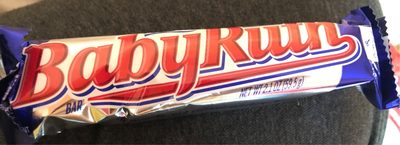
Bursting With Peanuts, Rich Caramel And Chewy Nougat Bar, Bursting With Peanuts, Rich Caramel And Chewy Nougat
High in saturated fat — 40% DV per serving
467kcal
6.7Protein
23.3Fat
65Carbs
Nestle USA Inc.
Bursting With Peanuts, Rich Caramel And Chewy Nougat Bar, Bursting With Peanuts, Rich Caramel And Chewy Nougat
High in saturated fat — 40% DV per serving
467kcal
6.7Protein
23.3Fat
65Carbs