Hydrogenated Vegetable Oil | Rapeseed
Auto-generated content. This description was generated automatically and is pending editorial review. Inaccuracies are possible. Found a mistake? Contact us.
What it is
Hydrogenated vegetable oil is made by adding hydrogen to liquid vegetable oil, such as rapeseed oil. This process changes the oil's chemical structure, making it more solid at room temperature and increasing its stability.
Why it's used
Manufacturers use hydrogenated vegetable oil to improve the texture of foods, make them more stable, and extend their shelf life. It is commonly found in baked goods, snack foods, and some spreads.
Health notes
The FDA revoked the Generally Recognized As Safe (GRAS) status for partially hydrogenated oils (PHOs) in 2018, which were the primary source of artificial trans fat in the food supply. This action aimed to remove most artificial trans fats from processed foods. Fully hydrogenated oils, which contain very little to no trans fat, are still permitted for use by the FDA. JECFA has evaluated trans fatty acids, which are formed during partial hydrogenation, and EFSA has also assessed their dietary impact. High intake of artificial trans fats has been linked to an increased risk of heart disease.
Allergen info
Rapeseed is not one of the 9 major allergens identified by the FDA.
Products containing Hydrogenated Vegetable Oil | Rapeseed
Compare products →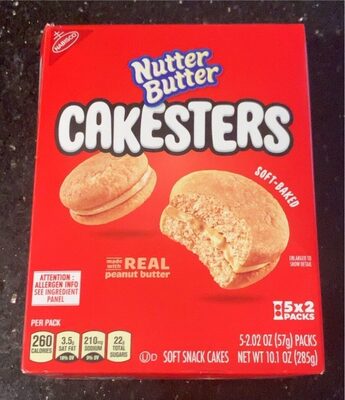 Nabisco Biscuit Company
Soft Sanck Cakes Cakesters
High in added sugars — 42% DV per serving
456kcal
5.3Protein
21.1Fat
61.4Carbs
Nabisco Biscuit Company
Soft Sanck Cakes Cakesters
High in added sugars — 42% DV per serving
456kcal
5.3Protein
21.1Fat
61.4Carbs
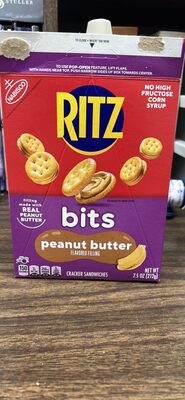 Nabisco Biscuit Company
Peanut Butter Bits Cracker Sandwiches, Peanut Butter
517kcal
10.3Protein
27.6Fat
58.6Carbs
Nabisco Biscuit Company
Peanut Butter Bits Cracker Sandwiches, Peanut Butter
517kcal
10.3Protein
27.6Fat
58.6Carbs
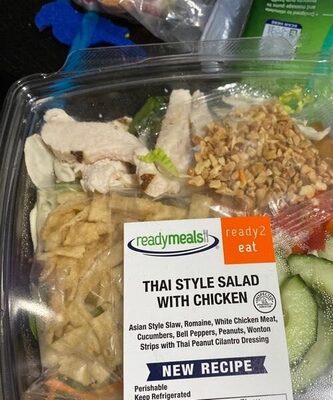 Taylor Fresh Foods, Inc.
Thai Style Salad With Chicken Asian Style Slaw, Romaine, White Chicken Meat, Cucumbers, Bell Peppers, Peanuts, Wonton Strips With Thai Peanut Cilantro Dressing, Thai Style Salad
140kcal
7Protein
7Fat
14Carbs
Taylor Fresh Foods, Inc.
Thai Style Salad With Chicken Asian Style Slaw, Romaine, White Chicken Meat, Cucumbers, Bell Peppers, Peanuts, Wonton Strips With Thai Peanut Cilantro Dressing, Thai Style Salad
140kcal
7Protein
7Fat
14Carbs
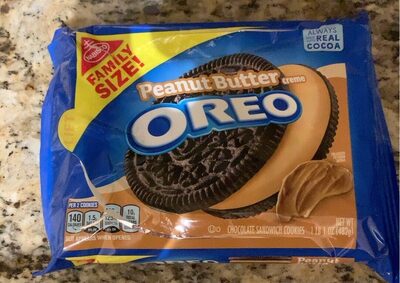 Nabisco Biscuit Company
Peanut Butter Creme Chocolate Sandwich Cookies, Peanut Butter Creme Chocolate
High in added sugars — 20% DV per serving
483kcal
6.9Protein
20.7Fat
69.0Carbs
Nabisco Biscuit Company
Peanut Butter Creme Chocolate Sandwich Cookies, Peanut Butter Creme Chocolate
High in added sugars — 20% DV per serving
483kcal
6.9Protein
20.7Fat
69.0Carbs