Hydrogenated Vegetable Oil
Auto-generated content. This description was generated automatically and is pending editorial review. Inaccuracies are possible. Found a mistake? Contact us.
What it is
Hydrogenated vegetable oil is made by adding hydrogen to liquid vegetable oils, such as soybean, corn, or cottonseed oil. This process, called hydrogenation, changes the oil's chemical structure, making it more solid at room temperature. This results in a product with a firmer texture and increased stability.
Why it's used
Manufacturers use hydrogenated vegetable oil to improve the texture, stability, and shelf life of various processed foods. It helps prevent oil separation in products like peanut butter and gives a creamy or solid consistency to items such as margarine, baked goods, and snack foods.
Health notes
The FDA revoked the 'generally recognized as safe' (GRAS) status for partially hydrogenated oils (PHOs) in 2018, which effectively removed most artificial trans fats from the US food supply. PHOs were a significant source of artificial trans fat, which scientific evidence has linked to an increased risk of heart disease. Fully hydrogenated oils, however, contain very little trans fat and are primarily a source of saturated fat. JECFA has evaluated trans fatty acids and their health effects. EFSA has also provided scientific opinions on trans fatty acids in food.
Allergen info
Hydrogenated vegetable oil can be derived from major allergens such as soy or peanuts. If derived from a major allergen, the source must be declared on the food label.
Products containing Hydrogenated Vegetable Oil
Compare products →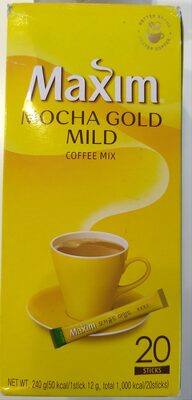 MAXIM
Maxim, Mocha Gold Mild Coffee Mix
458kcal
8.3Protein
15.8Fat
75Carbs
Hy-Vee, Inc.
Cookies
480kcal
4Protein
24Fat
60Carbs
SHURFINE
Creamy Peanut Butter
625kcal
21.9Protein
50Fat
18.8Carbs
SHURFINE
Chunky Peanut Butter
625kcal
21.9Protein
50Fat
18.8Carbs
FRESH FOODS MARKET
All American Half Sub
High in sodium — 68% DV per serving
High in saturated fat — 80% DV per serving
High in cholesterol — 35% DV per serving
244kcal
14.3Protein
12.4Fat
20.3Carbs
HONIG
Spring Vegetable Soup Mix
High in sodium — 40% DV per serving
12kcal
0.4Protein
0.4Fat
1.6Carbs
MENTOS
Chewy Dragees
393kcal
0Protein
2Fat
92Carbs
HONIG
Groentesoep Vegetable Soup Mix
High in sodium — 39% DV per serving
16kcal
0.4Protein
0.4Fat
2.8Carbs
REESE'S
Unwrapped Mini White Peanut Butter Cups
High in saturated fat — 30% DV per serving
538kcal
10.3Protein
33.3Fat
53.9Carbs
MAXIM
Maxim, Mocha Gold Mild Coffee Mix
458kcal
8.3Protein
15.8Fat
75Carbs
Hy-Vee, Inc.
Cookies
480kcal
4Protein
24Fat
60Carbs
SHURFINE
Creamy Peanut Butter
625kcal
21.9Protein
50Fat
18.8Carbs
SHURFINE
Chunky Peanut Butter
625kcal
21.9Protein
50Fat
18.8Carbs
FRESH FOODS MARKET
All American Half Sub
High in sodium — 68% DV per serving
High in saturated fat — 80% DV per serving
High in cholesterol — 35% DV per serving
244kcal
14.3Protein
12.4Fat
20.3Carbs
HONIG
Spring Vegetable Soup Mix
High in sodium — 40% DV per serving
12kcal
0.4Protein
0.4Fat
1.6Carbs
MENTOS
Chewy Dragees
393kcal
0Protein
2Fat
92Carbs
HONIG
Groentesoep Vegetable Soup Mix
High in sodium — 39% DV per serving
16kcal
0.4Protein
0.4Fat
2.8Carbs
REESE'S
Unwrapped Mini White Peanut Butter Cups
High in saturated fat — 30% DV per serving
538kcal
10.3Protein
33.3Fat
53.9Carbs