Hydrogenated Vegetable Palm Oil
Auto-generated content. This description was generated automatically and is pending editorial review. Inaccuracies are possible. Found a mistake? Contact us.
What it is
Hydrogenated vegetable palm oil is a type of fat made from palm oil that has undergone a process called hydrogenation. This process adds hydrogen atoms to the oil, changing its chemical structure and making it more solid at room temperature. It helps improve the texture and stability of food products.
Why it's used
Manufacturers add hydrogenated vegetable palm oil to foods to improve texture, extend shelf life, and provide a solid fat structure. It is often used in baked goods like cookies and biscuits, candies, and seasoning mixes to give them a desirable consistency and prevent spoilage.
Health notes
Partially hydrogenated oils (PHOs), which contain artificial trans fat, are no longer considered Generally Recognized As Safe (GRAS) by the FDA since 2018. This has largely removed artificial trans fat from the US food supply. Fully hydrogenated oils, however, are different; they contain very little to no trans fat and are generally permitted by the FDA. Dietary guidelines recommend limiting intake of saturated fats, which are present in palm oil, to less than 10% of daily calories.
Allergen info
Not a major allergen.
Products containing Hydrogenated Vegetable Palm Oil
Compare products →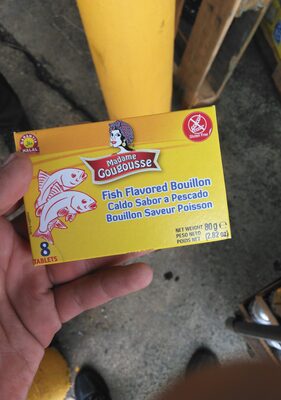 Madame Gougousse Foods Corp.
Fish Flavored Bouillon
200kcal
8Protein
10Fat
0Carbs
Madame Gougousse Foods Corp.
Fish Flavored Bouillon
200kcal
8Protein
10Fat
0Carbs
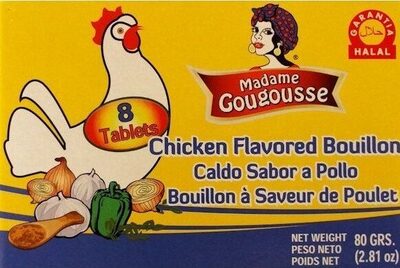 Madame Gougousse Foods Corp.
Chicken Flavored Bouillon
200kcal
8Protein
10Fat
0Carbs
Big Y Foods, Inc.
Candy Favorites Holiday Royal Mix
High in added sugars — 22% DV per serving
353kcal
0Protein
0Fat
88.2Carbs
Food Town Stores Inc.
Hostess Mix Hard Candy
High in added sugars — 22% DV per serving
353kcal
0Protein
0Fat
88.2Carbs
ZB Importing Inc.
Ziyad, Tea Biscuits
450kcal
5.3Protein
11.7Fat
76.7Carbs
Madame Gougousse Foods Corp.
Chicken Flavored Bouillon
200kcal
8Protein
10Fat
0Carbs
Big Y Foods, Inc.
Candy Favorites Holiday Royal Mix
High in added sugars — 22% DV per serving
353kcal
0Protein
0Fat
88.2Carbs
Food Town Stores Inc.
Hostess Mix Hard Candy
High in added sugars — 22% DV per serving
353kcal
0Protein
0Fat
88.2Carbs
ZB Importing Inc.
Ziyad, Tea Biscuits
450kcal
5.3Protein
11.7Fat
76.7Carbs