Hydrolysed Soy Protein
Auto-generated content. This description was generated automatically and is pending editorial review. Inaccuracies are possible. Found a mistake? Contact us.
What it is
Hydrolyzed soy protein is made by breaking down soy protein into smaller pieces called amino acids. This is done using acids, enzymes, or other methods. It is often used to add a savory, umami flavor to foods.
Why it's used
Manufacturers add hydrolyzed soy protein to foods to enhance their flavor, giving them a richer, meatier taste. It is commonly found in savory products like soups, sauces, seasonings, snacks, and processed meats.
Health notes
In the U.S., hydrolyzed soy protein is generally recognized as safe (GRAS) by the FDA when used as intended. Regulatory bodies like the WHO's JECFA and EFSA have evaluated similar hydrolyzed vegetable proteins. While generally considered safe, some individuals may have sensitivities. Evidence does not suggest adverse health effects at typical consumption levels.
Allergen info
Hydrolyzed soy protein is derived from soy, which is one of the 9 FDA major allergens. It does not contain gluten.
Products containing Hydrolysed Soy Protein
Compare products →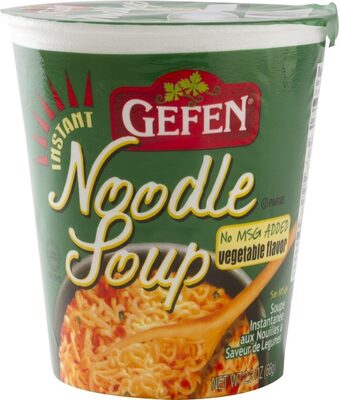 Cachere Distributing Inc.
Vegetable Instant Noodle Soup
High in sodium — 53% DV per serving
High in saturated fat — 30% DV per serving
462kcal
7.7Protein
20Fat
63.1Carbs
Goya Foods, Inc.
Seasoned Rice With Blackeye Peas
High in sodium — 25% DV per serving
333kcal
11.1Protein
1.1Fat
73.3Carbs
Cachere Distributing Inc.
Vegetable Instant Noodle Soup
High in sodium — 53% DV per serving
High in saturated fat — 30% DV per serving
462kcal
7.7Protein
20Fat
63.1Carbs
Goya Foods, Inc.
Seasoned Rice With Blackeye Peas
High in sodium — 25% DV per serving
333kcal
11.1Protein
1.1Fat
73.3Carbs