Hydrolyzed Bovine Collagen
Auto-generated content. This description was generated automatically and is pending editorial review. Inaccuracies are possible. Found a mistake? Contact us.
What it is
Hydrolyzed bovine collagen is a protein derived from cows. It is made by breaking down collagen, a connective tissue found in animal skin and bones, into smaller protein fragments through a process called hydrolysis.
Why it's used
Manufacturers add hydrolyzed bovine collagen to foods for its protein content and potential functional properties, such as improving texture or acting as a binder. It is commonly found in protein bars, nutritional supplements, and sometimes in baked goods.
Health notes
In the U.S., hydrolyzed bovine collagen is generally recognized as safe (GRAS) by the FDA for use in food. Some studies suggest it may support skin, joint, and bone health, but more research is needed to confirm these effects. International bodies like EFSA have evaluated collagen peptides, but no specific numeric limits are set. Evidence regarding its health benefits is still developing.
Allergen info
Hydrolyzed bovine collagen is derived from cows, which are not one of the 9 major allergens. It does not contain gluten.
Products containing Hydrolyzed Bovine Collagen
Compare products →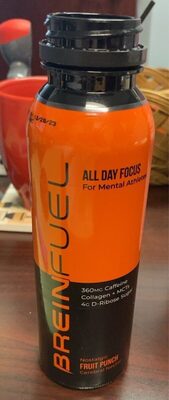 Renttracker.Com LLC
Fruit Punch Nostalgic Cerebal Nectar, Fruit Punch
High in saturated fat — 20% DV per serving
25kcal
1.4Protein
1.1Fat
3.1Carbs
Perfect Keto
Honey Nut Cereal, Honey Nut
250kcal
22.5Protein
15Fat
42.5Carbs
Renttracker.Com LLC
Fruit Punch Nostalgic Cerebal Nectar, Fruit Punch
High in saturated fat — 20% DV per serving
25kcal
1.4Protein
1.1Fat
3.1Carbs
Perfect Keto
Honey Nut Cereal, Honey Nut
250kcal
22.5Protein
15Fat
42.5Carbs
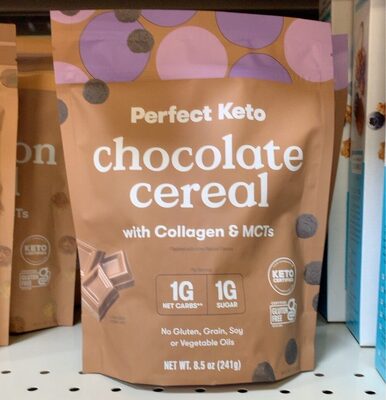 Perfect Keto
Chocolate Cereal, Chocolate
250kcal
22.5Protein
12.5Fat
40Carbs
Perfect Keto
Cinnamon Cereal With Collagen & Mcts, Cinnamon Cereal
250kcal
22.5Protein
15Fat
42.5Carbs
Wal-Mart Stores, Inc.
Watermelon Rose Beam & Gleam Collagen Drink Mix, Watermelon Rose
250kcal
50Protein
0Fat
25Carbs
MINX, INC
Salted Peanut Caramel Soft Protein Bars, Salted Peanut Caramel
High in saturated fat — 22% DV per serving
382kcal
29.1Protein
18.2Fat
38.2Carbs
Perfect Keto
Chocolate Cereal, Chocolate
250kcal
22.5Protein
12.5Fat
40Carbs
Perfect Keto
Cinnamon Cereal With Collagen & Mcts, Cinnamon Cereal
250kcal
22.5Protein
15Fat
42.5Carbs
Wal-Mart Stores, Inc.
Watermelon Rose Beam & Gleam Collagen Drink Mix, Watermelon Rose
250kcal
50Protein
0Fat
25Carbs
MINX, INC
Salted Peanut Caramel Soft Protein Bars, Salted Peanut Caramel
High in saturated fat — 22% DV per serving
382kcal
29.1Protein
18.2Fat
38.2Carbs