Hydrolyzed Corn And Soy Proteins
Auto-generated content. This description was generated automatically and is pending editorial review. Inaccuracies are possible. Found a mistake? Contact us.
What it is
Hydrolyzed corn and soy proteins are made by breaking down corn and soy proteins into smaller pieces called amino acids. This process, called hydrolysis, can be done using acids, enzymes, or heat. It is used to create savory, umami flavors.
Why it's used
Manufacturers add hydrolyzed corn and soy proteins to foods to enhance their savory, meaty, or umami taste. They are often found in processed foods like sauces, soups, snacks, and frozen meals where a rich flavor is desired.
Health notes
In the U.S., hydrolyzed corn and soy proteins are generally recognized as safe (GRAS) by the FDA when used for their intended purpose. International bodies like JECFA have evaluated similar protein hydrolysates. While generally considered safe, some people may be sensitive to the high levels of glutamate naturally present in these ingredients, which contributes to their savory flavor.
Allergen info
Soy is one of the 9 FDA major allergens. Hydrolyzed soy protein is derived from soy. Corn is not a major allergen. Gluten is not present.
Products containing Hydrolyzed Corn And Soy Proteins
Compare products →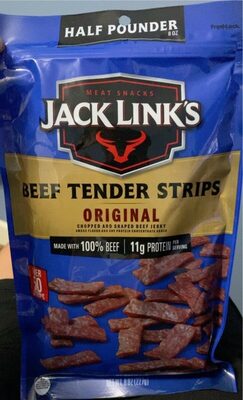 Link Snacks, Inc.
Original Tender Strips Beef Jerky
High in saturated fat — 20% DV per serving
429kcal
28.6Protein
32.1Fat
7.1Carbs
Skylark Meats Inc.
Beef For Shredding
High in sodium — 33% DV per serving
High in saturated fat — 35% DV per serving
High in cholesterol — 20% DV per serving
195kcal
12.4Protein
15.0Fat
1.8Carbs
Matlaws Food Products Inc
Seafood Stuffing
High in sodium — 32% DV per serving
175kcal
6.1Protein
10.5Fat
14.9Carbs
Matlaws Food Products Inc
New England Style Seafood Cakes, New England Style
High in sodium — 31% DV per serving
262kcal
7.1Protein
16.7Fat
20.2Carbs
Seaside Stop & Go
Sriracha Teriyaki Sauce, Sriracha Teriyaki
158kcal
5.3Protein
0Fat
36.8Carbs
Link Snacks, Inc.
Original Tender Strips Beef Jerky
High in saturated fat — 20% DV per serving
429kcal
28.6Protein
32.1Fat
7.1Carbs
Skylark Meats Inc.
Beef For Shredding
High in sodium — 33% DV per serving
High in saturated fat — 35% DV per serving
High in cholesterol — 20% DV per serving
195kcal
12.4Protein
15.0Fat
1.8Carbs
Matlaws Food Products Inc
Seafood Stuffing
High in sodium — 32% DV per serving
175kcal
6.1Protein
10.5Fat
14.9Carbs
Matlaws Food Products Inc
New England Style Seafood Cakes, New England Style
High in sodium — 31% DV per serving
262kcal
7.1Protein
16.7Fat
20.2Carbs
Seaside Stop & Go
Sriracha Teriyaki Sauce, Sriracha Teriyaki
158kcal
5.3Protein
0Fat
36.8Carbs