Hydrolyzed Corn Protein
Auto-generated content. This description was generated automatically and is pending editorial review. Inaccuracies are possible. Found a mistake? Contact us.
What it is
Hydrolyzed corn protein is a food ingredient made from corn. It is produced by breaking down corn proteins into smaller amino acids and peptides through a process called hydrolysis, often using acids or enzymes.
Why it's used
Manufacturers add hydrolyzed corn protein primarily to enhance savory flavors, providing an umami taste. It is commonly found in seasoning mixes, soups, sauces, snacks, and processed meat products.
Health notes
Hydrolyzed corn protein is generally recognized as safe (GRAS) by the FDA for use as a flavor enhancer. It provides a savory flavor and is a source of amino acids. Some individuals may be sensitive to free glutamates, which are naturally present in hydrolyzed proteins, similar to monosodium glutamate (MSG). The FDA considers free glutamates from hydrolyzed proteins to be safe for the general population.
Allergen info
Corn is not one of the nine major food allergens identified by the FDA. However, individuals with a corn allergy should avoid it. It is naturally gluten-free.
Products containing Hydrolyzed Corn Protein
Compare products →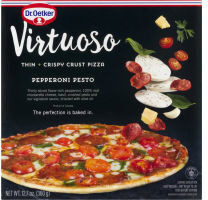 Dr. Oetker Canada Ltd
Dr. Oetker, Ristorante, Thin Crust Pizza With Pepperoni, Mozzarella, Pesto
High in sodium — 26% DV per serving
High in saturated fat — 25% DV per serving
250kcal
8.3Protein
13.3Fat
25Carbs
AHOLD
Ahold, Portobello Mushroom Seasoned Pork Tenderloin
98kcal
17.0Protein
1.8Fat
3.6Carbs
SPARTAN
Red Enchilada Sauce
42kcal
0Protein
1.7Fat
6.7Carbs
SPARTAN
Traditional Soup
High in sodium — 43% DV per serving
37kcal
3.7Protein
0.4Fat
4.1Carbs
SPARTAN
Bouillon Cubes
135kcal
0Protein
0Fat
27.0Carbs
Dr. Oetker Canada Ltd
Dr. Oetker, Ristorante, Thin Crust Pizza With Pepperoni, Mozzarella, Pesto
High in sodium — 26% DV per serving
High in saturated fat — 25% DV per serving
250kcal
8.3Protein
13.3Fat
25Carbs
AHOLD
Ahold, Portobello Mushroom Seasoned Pork Tenderloin
98kcal
17.0Protein
1.8Fat
3.6Carbs
SPARTAN
Red Enchilada Sauce
42kcal
0Protein
1.7Fat
6.7Carbs
SPARTAN
Traditional Soup
High in sodium — 43% DV per serving
37kcal
3.7Protein
0.4Fat
4.1Carbs
SPARTAN
Bouillon Cubes
135kcal
0Protein
0Fat
27.0Carbs