Hydrolyzed Soy/wheat Gluten Protein
Auto-generated content. This description was generated automatically and is pending editorial review. Inaccuracies are possible. Found a mistake? Contact us.
What it is
Hydrolyzed soy/wheat gluten protein is made by breaking down soy protein and wheat gluten into smaller pieces called amino acids and peptides. This process is done using enzymes or acids. It is used to add a savory, umami flavor to foods.
Why it's used
Manufacturers add hydrolyzed soy/wheat gluten protein to foods to enhance their savory flavor, often described as umami. It is commonly found in processed snacks like chips and pretzels, as well as in deli items and seasoned rice dishes.
Health notes
In the U.S., hydrolyzed soy/wheat gluten protein is generally recognized as safe (GRAS) by the FDA when used as a flavoring agent. International bodies like JECFA and EFSA have evaluated similar hydrolyzed proteins. While generally considered safe for consumption, individuals with sensitivities to soy or wheat should be mindful of its presence.
Allergen info
This ingredient is derived from soy and wheat, both of which are among the 9 major allergens identified by the FDA. It also contains gluten, which is a protein found in wheat that can cause adverse reactions in people with celiac disease or gluten sensitivity.
Products containing Hydrolyzed Soy/wheat Gluten Protein
Compare products →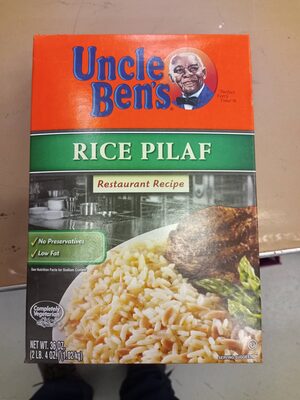 Uncle Ben's Inc.
Restaurant Recipe Rice Pilaf, Restaurant Recipe
351kcal
8.8Protein
0.9Fat
75.4Carbs
Uncle Ben's Inc.
Restaurant Recipe Rice Pilaf, Restaurant Recipe
351kcal
8.8Protein
0.9Fat
75.4Carbs
 Uncle Ben's Inc.
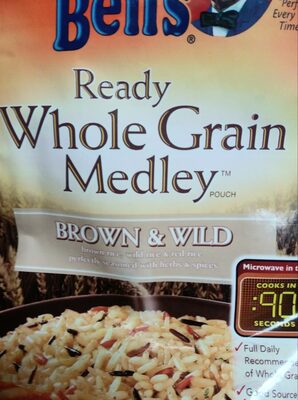
Whole Grain Medley Brown & Wild With Herbs And Spices Rice, Whole Grain Medley
High in sodium — 29% DV per serving
88kcal
2.5Protein
1.0Fat
15.8Carbs
Uncle Ben's Inc.
Whole Grain Medley Brown & Wild With Herbs And Spices Rice, Whole Grain Medley
High in sodium — 29% DV per serving
88kcal
2.5Protein
1.0Fat
15.8Carbs
 Uncle Ben's Inc.
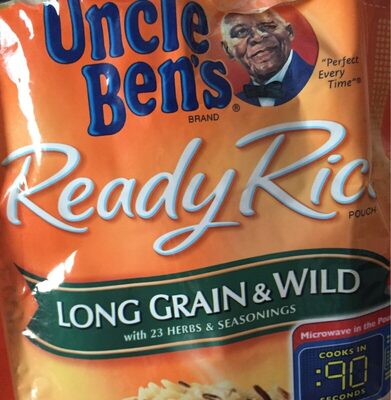
Long Grain & Wild Rice With 23 Herbs & Seasonings, Long Grain & Wild
High in sodium — 26% DV per serving
140kcal
3.7Protein
1.5Fat
28.7Carbs
Uncle Ben's Inc.
Long Grain & Wild Rice With 23 Herbs & Seasonings, Long Grain & Wild
High in sodium — 26% DV per serving
140kcal
3.7Protein
1.5Fat
28.7Carbs