Imitation Mozzarella Blend
Auto-generated content. This description was generated automatically and is pending editorial review. Inaccuracies are possible. Found a mistake? Contact us.
What it is
Imitation mozzarella blend is a cheese substitute designed to mimic the taste, texture, and melting properties of real mozzarella cheese. It is typically made from a combination of water, vegetable oils (like palm or soybean oil), starches (such as potato or corn starch), and milk proteins (like caseinates). Flavorings, colorings, and emulsifiers are often added to enhance its resemblance to traditional mozzarella.
Why it's used
Manufacturers use imitation mozzarella blends as a cost-effective alternative to real cheese, particularly in processed foods. Its primary function is to provide a cheesy flavor and meltability. It is commonly found in frozen pizzas, savory bakery products, and other ready-to-eat meals where a cheese-like component is desired.
Health notes
Imitation mozzarella blends are generally recognized as safe (GRAS) by the FDA when used as intended. The ingredients used, such as vegetable oils and starches, have been evaluated by regulatory bodies. JECFA has evaluated many of the individual components used in such blends. At typical consumption levels found in processed foods, these ingredients are not associated with adverse health effects. There are no widespread controversies regarding the safety of these ingredients when consumed in moderation.
Allergen info
Imitation mozzarella blends may contain milk proteins (caseinates), which are derived from milk, a major allergen. Therefore, it is not considered allergen-free for individuals with milk allergies. It does not contain gluten unless specifically added.
Products containing Imitation Mozzarella Blend
Compare products →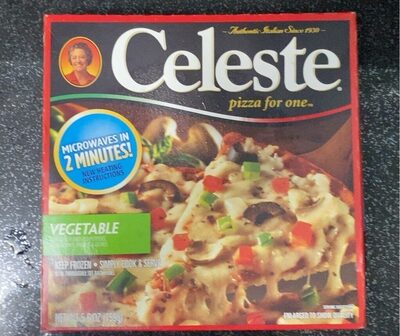 Pinnacle Foods Group LLC
Vegetable With Green And Red Peppers, Mushrooms, Onions & Olives Pizza For One, Vegetable
High in sodium — 36% DV per serving
High in saturated fat — 35% DV per serving
226kcal
4.4Protein
9.4Fat
30.8Carbs
Pinnacle Foods Group LLC
Mushroom Pizza For One, Mushroom
High in sodium — 37% DV per serving
High in saturated fat — 35% DV per serving
220kcal
4.4Protein
8.8Fat
30.2Carbs
Pinnacle Foods Group LLC
White Pizza White Sauce Seasoned With Garlic & Spices, Garlic & Spices
High in sodium — 29% DV per serving
High in saturated fat — 40% DV per serving
278kcal
6.2Protein
12.5Fat
34.7Carbs
Pinnacle Foods Group LLC
Cheesy Garlic Breadsticks, Cheesy Garlic
High in sodium — 29% DV per serving
288kcal
5.6Protein
8.8Fat
45.6Carbs
Conagra Brands, Inc
Celeste Zesty 4 Cheese Pizza for One, Individual Microwavable Frozen Pizza, 5.22 oz.
High in sodium — 38% DV per serving
High in saturated fat — 45% DV per serving
—kcal
6.1Protein
11.5Fat
32.4Carbs
Conagra Brands, Inc
Celeste Sausage Pizza for One, Individual Microwavable Frozen Pizza, 5.36 oz.
High in sodium — 34% DV per serving
High in saturated fat — 35% DV per serving
—kcal
5.9Protein
10.5Fat
31.6Carbs
Pinnacle Foods Group LLC
Vegetable With Green And Red Peppers, Mushrooms, Onions & Olives Pizza For One, Vegetable
High in sodium — 36% DV per serving
High in saturated fat — 35% DV per serving
226kcal
4.4Protein
9.4Fat
30.8Carbs
Pinnacle Foods Group LLC
Mushroom Pizza For One, Mushroom
High in sodium — 37% DV per serving
High in saturated fat — 35% DV per serving
220kcal
4.4Protein
8.8Fat
30.2Carbs
Pinnacle Foods Group LLC
White Pizza White Sauce Seasoned With Garlic & Spices, Garlic & Spices
High in sodium — 29% DV per serving
High in saturated fat — 40% DV per serving
278kcal
6.2Protein
12.5Fat
34.7Carbs
Pinnacle Foods Group LLC
Cheesy Garlic Breadsticks, Cheesy Garlic
High in sodium — 29% DV per serving
288kcal
5.6Protein
8.8Fat
45.6Carbs
Conagra Brands, Inc
Celeste Zesty 4 Cheese Pizza for One, Individual Microwavable Frozen Pizza, 5.22 oz.
High in sodium — 38% DV per serving
High in saturated fat — 45% DV per serving
—kcal
6.1Protein
11.5Fat
32.4Carbs
Conagra Brands, Inc
Celeste Sausage Pizza for One, Individual Microwavable Frozen Pizza, 5.36 oz.
High in sodium — 34% DV per serving
High in saturated fat — 35% DV per serving
—kcal
5.9Protein
10.5Fat
31.6Carbs