Inedible Rind
What is Inedible Rind?
The rind of a cheese is its outer surface. It can be formed naturally as the cheese ages, or it can be added during the cheesemaking process. Rinds can be made of wax, cloth, plastic, or even edible materials like herbs or spices.
Is Inedible Rind vegan?
No. Inedible Rind is animal-derived, so it is not vegan.
Is Inedible Rind a major allergen?
Not a major allergen.
What is Inedible Rind used for?
Cheese rinds serve several purposes.
Is Inedible Rind safe?
Cheese rinds are generally considered safe when consumed as part of the cheese.
Why it's used
Cheese rinds serve several purposes. They protect the cheese from drying out and from unwanted mold growth during aging. Some rinds, like those on Brie or Camembert, are intended to be eaten and contribute to the cheese's flavor and texture. Others are purely protective and are removed before consumption.
Health notes
Cheese rinds are generally considered safe when consumed as part of the cheese. The FDA does not specifically regulate cheese rinds as separate food additives. If the rind is made of wax or plastic, it is not intended for consumption. Concerns about health implications would typically relate to the cheese itself or any added coatings, rather than the rind structure.
Allergen info
Not a major allergen. However, some rinds may be coated with ingredients that are major allergens, such as spices or herbs derived from other sources.
Foods that contain Inedible Rind
Compare products →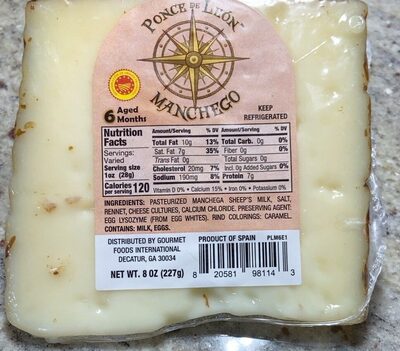
Learn more
Auto-generated content. This description was generated automatically and is pending editorial review. Inaccuracies are possible. Found a mistake? Contact us.