Kaiser Roll
What is Kaiser Roll?
A kaiser roll is a type of bread roll that is typically made from white flour, water, yeast, and salt. It is characterized by a distinctive swirl pattern on top, often created by pressing a stamp into the dough before baking. This pattern is said to resemble an eagle's wings or a crown.
Is Kaiser Roll vegan?
Kaiser Roll is not animal-derived. Products that contain it can still include other animal-derived ingredients, so check the full ingredient list.
Is Kaiser Roll gluten-free?
Gluten is present.
Is Kaiser Roll a major allergen?
Kaiser rolls contain wheat, which is one of the nine FDA major allergens.
What is Kaiser Roll used for?
Kaiser rolls are commonly used as sandwich buns due to their sturdy yet soft texture, which holds up well to fillings.
Is Kaiser Roll safe?
Kaiser rolls are a source of carbohydrates and some B vitamins if made with enriched flour.
Why it's used
Kaiser rolls are commonly used as sandwich buns due to their sturdy yet soft texture, which holds up well to fillings. They are also served as a side bread with meals. Manufacturers use them as a base for a variety of prepared sandwiches and as a component in bakery items.
Health notes
Kaiser rolls are a source of carbohydrates and some B vitamins if made with enriched flour. The FDA considers enriched flour a staple food for nutritional purposes. As a baked good made from refined grains, they are a source of energy. There are no specific health concerns associated with typical consumption of kaiser rolls beyond general considerations for refined carbohydrate intake.
Allergen info
Kaiser rolls contain wheat, which is one of the nine FDA major allergens. They may also be produced in facilities that handle other allergens. Gluten is present.
Foods that contain Kaiser Roll
Compare products →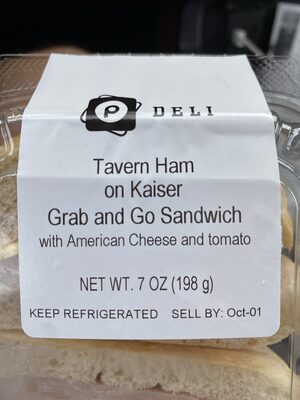
Learn more
Auto-generated content. This description was generated automatically and is pending editorial review. Inaccuracies are possible. Found a mistake? Contact us.