Kaniwa Seeds
What is Kaniwa Seeds?
Kaniwa seeds come from a plant (Chenopodium pallidicaule) native to the Andean region of South America. These small, reddish-brown seeds are a pseudocereal, meaning they are used like grains but are not from grasses, similar to quinoa.
Is Kaniwa Seeds vegan?
Kaniwa Seeds is not animal-derived. Products that contain it can still include other animal-derived ingredients, so check the full ingredient list.
Is Kaniwa Seeds gluten-free?
Kaniwa seeds are not a major allergen and are naturally gluten-free.
What is Kaniwa Seeds used for?
Manufacturers add kaniwa seeds to foods, particularly baked goods like breads, for their nutritional value, including protein and fiber, and to add texture.
Is Kaniwa Seeds safe?
Kaniwa seeds are considered a whole food and are generally recognized as safe (GRAS) for consumption.
Why it's used
Manufacturers add kaniwa seeds to foods, particularly baked goods like breads, for their nutritional value, including protein and fiber, and to add texture. They are used as a whole grain ingredient.
Health notes
Kaniwa seeds are considered a whole food and are generally recognized as safe (GRAS) for consumption. The FDA does not regulate whole foods like kaniwa seeds as food additives, so there is no specific regulatory approval or acceptable daily intake (ADI) set by bodies like JECFA or EFSA. There are no known health controversies associated with kaniwa seeds at typical intake levels.
Allergen info
Kaniwa seeds are not a major allergen and are naturally gluten-free.
Foods that contain Kaniwa Seeds
Compare products →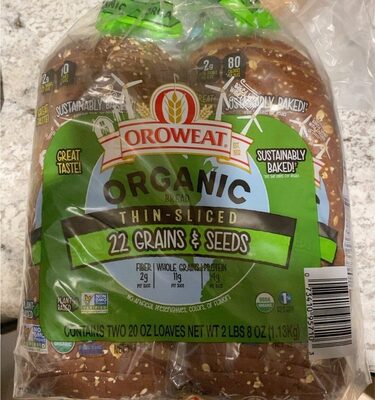
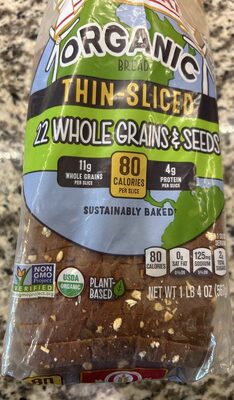
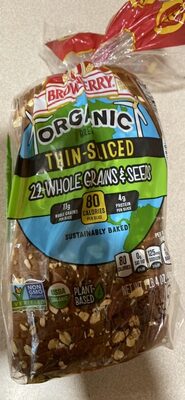
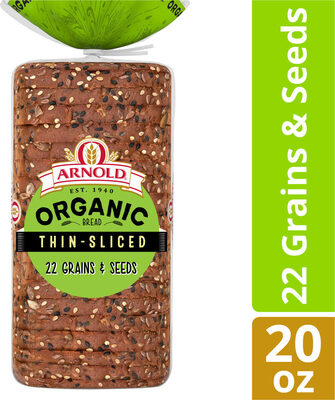
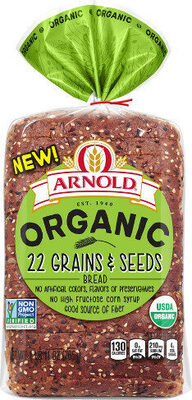
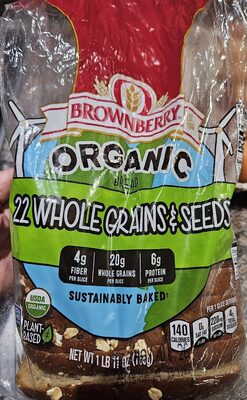
Learn more
Auto-generated content. This description was generated automatically and is pending editorial review. Inaccuracies are possible. Found a mistake? Contact us.