King Crab Meat
What is King Crab Meat?
King crab meat is the edible flesh of large marine crustaceans found in cold, deep waters, primarily the North Pacific and North Atlantic oceans. The meat is typically extracted from the legs and body of the crab. It is prized for its sweet flavor and delicate texture.
Is King Crab Meat vegan?
No. King Crab Meat is animal-derived, so it is not vegan.
Is King Crab Meat gluten-free?
It does not contain gluten.
Is King Crab Meat a major allergen?
King crab meat is derived from shellfish, which is one of the 9 FDA major allergens.
What is King Crab Meat used for?
King crab meat is often used as a premium ingredient in seafood dishes, such as crab cakes, salads, and pasta dishes.
Is King Crab Meat safe?
King crab meat is a natural food product and is not subject to FDA additive regulations.
Why it's used
King crab meat is often used as a premium ingredient in seafood dishes, such as crab cakes, salads, and pasta dishes. It can also be found in imitation crab products, where it is combined with other ingredients to mimic the flavor and texture of real crab.
Health notes
King crab meat is a natural food product and is not subject to FDA additive regulations. It is a good source of protein and omega-3 fatty acids. JECFA and EFSA have not specifically evaluated king crab meat as a food additive. As with any seafood, there is a potential for allergic reactions in sensitive individuals.
Allergen info
King crab meat is derived from shellfish, which is one of the 9 FDA major allergens. It does not contain gluten.
Foods that contain King Crab Meat
Compare products →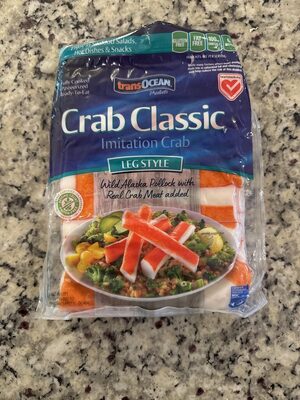
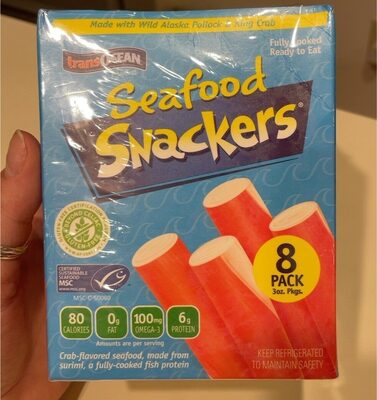
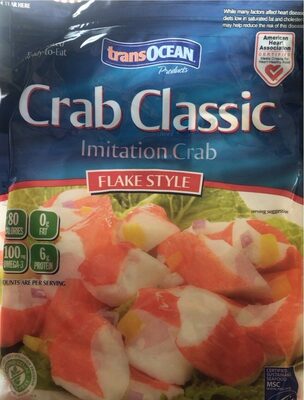
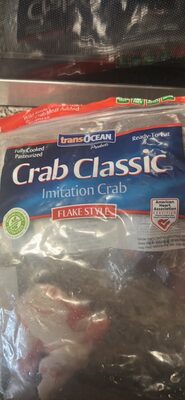
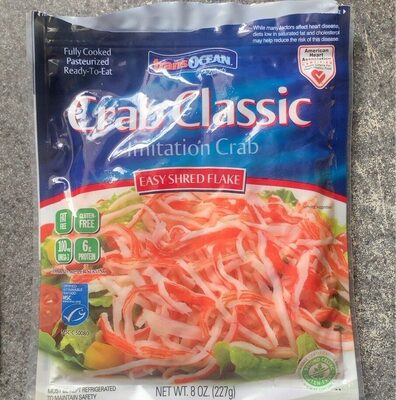
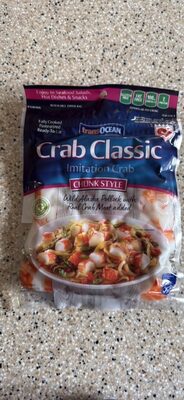
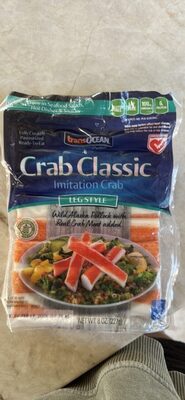
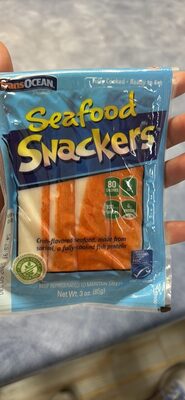
Learn more
Auto-generated content. This description was generated automatically and is pending editorial review. Inaccuracies are possible. Found a mistake? Contact us.