L-selenomethionine
Auto-generated content. This description was generated automatically and is pending editorial review. Inaccuracies are possible. Found a mistake? Contact us.
What it is
L-selenomethionine is a form of the essential mineral selenium. It is an amino acid that contains selenium and is naturally found in foods like Brazil nuts and fish. It is often produced synthetically for use as a dietary supplement or food additive.
Why it's used
L-selenomethionine is added to foods as a source of selenium, an essential nutrient. It is commonly found in fortified foods such as plant-based milk alternatives, breakfast products, and baked goods to help consumers meet their daily selenium requirements.
Health notes
In the US, L-selenomethionine is generally recognized as safe (GRAS) when used as a nutrient supplement. Selenium is an essential trace element important for immune function and thyroid health. The Joint FAO/WHO Expert Committee on Food Additives (JECFA) has evaluated selenium compounds, including L-selenomethionine, and established acceptable daily intakes. Evidence suggests that selenium is important for health, but excessive intake can be harmful.
Allergen info
Not a major allergen. It is not derived from any of the nine FDA major allergens.
Products containing L-selenomethionine
Compare products →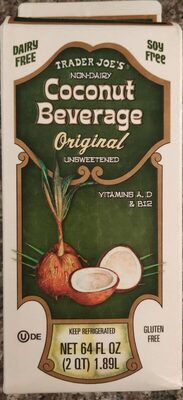 Ambassador Cards
Non-Dairy Coconut Beverage
High in saturated fat — 20% DV per serving
19kcal
0Protein
1.9Fat
0.8Carbs
Ambassador Cards
Non-Dairy Coconut Beverage
High in saturated fat — 20% DV per serving
19kcal
0Protein
1.9Fat
0.8Carbs