Less Than 2% Canola Oil
What is Less Than 2% Canola Oil?
Canola oil is a vegetable oil made from the seeds of the canola plant. The plant is a cultivar of rapeseed. The seeds are cleaned, crushed, and then the oil is extracted. It is then refined and purified.
Is Less Than 2% Canola Oil vegan?
Less Than 2% Canola Oil is not animal-derived. Products that contain it can still include other animal-derived ingredients, so check the full ingredient list.
Is Less Than 2% Canola Oil gluten-free?
It is also gluten-free.
Is Less Than 2% Canola Oil a major allergen?
Canola oil is not derived from any of the 9 FDA major allergens.
What is Less Than 2% Canola Oil used for?
Canola oil is used as a cooking oil and as an ingredient in many processed foods.
Is Less Than 2% Canola Oil safe?
Canola oil is Generally Recognized As Safe (GRAS) by the FDA.
Why it's used
Canola oil is used as a cooking oil and as an ingredient in many processed foods. Manufacturers add it for its neutral flavor and smooth texture, acting as a fat or oil. It is often found in salad dressings, baked goods, and snack foods.
Health notes
Canola oil is Generally Recognized As Safe (GRAS) by the FDA. It is a source of monounsaturated and polyunsaturated fats, including omega-3 fatty acids. The Joint FAO/WHO Expert Committee on Food Additives (JECFA) has evaluated canola oil. Research on the health effects of canola oil is ongoing, with some studies suggesting benefits from its fatty acid profile, while others raise questions about processing methods.
Allergen info
Canola oil is not derived from any of the 9 FDA major allergens. It is also gluten-free.
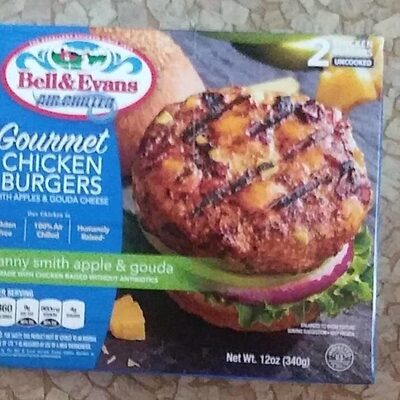
Foods that contain Less Than 2% Canola Oil
Compare products →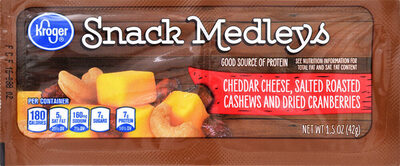
Learn more
Auto-generated content. This description was generated automatically and is pending editorial review. Inaccuracies are possible. Found a mistake? Contact us.