Less Than 2%: Milk
This entry is a label phrase. See the main ingredient page: 2% Milk.
What is Less Than 2%: Milk?
Milk is a nutrient-rich liquid food produced by the mammary glands of mammals. In the US, the term typically refers to cow's milk. It is a primary source of nutrition for infant mammals before they are able to digest other types of food.
Is Less Than 2%: Milk vegan?
No. Less Than 2%: Milk is animal-derived, so it is not vegan.
Is Less Than 2%: Milk gluten-free?
It does not contain gluten.
Is Less Than 2%: Milk a major allergen?
Milk is one of the 9 major allergens identified by the FDA.
What is Less Than 2%: Milk used for?
Milk is used as a beverage and as an ingredient in many food products.
Is Less Than 2%: Milk safe?
Milk is considered a major food source of calcium and vitamin D, which are important for bone health.
Why it's used
Milk is used as a beverage and as an ingredient in many food products. It provides a creamy texture, adds richness, and acts as a binder in foods like cheese, yogurt, ice cream, and baked goods. It is also used in sauces, dressings, and processed meats.
Health notes
Milk is considered a major food source of calcium and vitamin D, which are important for bone health. The US Food and Drug Administration (FDA) lists milk as Generally Recognized As Safe (GRAS). The World Health Organization (WHO) and the European Food Safety Authority (EFSA) have evaluated milk and dairy products. While generally considered safe and nutritious, some individuals may experience digestive issues or allergies related to milk consumption.
Allergen info
Milk is one of the 9 major allergens identified by the FDA. It does not contain gluten.
Foods that contain Less Than 2%: Milk
Compare products →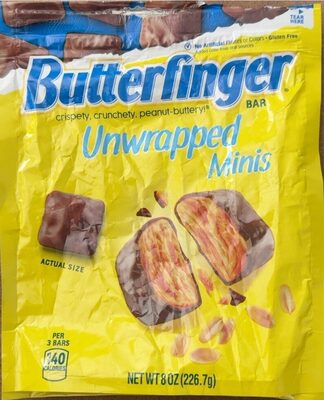
Learn more
Auto-generated content. This description was generated automatically and is pending editorial review. Inaccuracies are possible. Found a mistake? Contact us.