Less Than 2% Salt
Auto-generated content. This description was generated automatically and is pending editorial review. Inaccuracies are possible. Found a mistake? Contact us.
What it is
Salt, also known as sodium chloride, is a mineral naturally found in seawater and underground deposits. It is typically harvested through evaporation or mining and then purified. Salt is essential for life, playing a role in fluid balance and nerve function.
Why it's used
Manufacturers add salt to foods primarily to enhance flavor and act as a preservative by inhibiting microbial growth. It can also affect texture and color. Salt is found in a wide variety of processed foods, including savory snacks, meats, baked goods, and canned items.
Health notes
The U.S. Food and Drug Administration (FDA) recognizes salt (sodium chloride) as Generally Recognized As Safe (GRAS) for its intended use in food. High sodium intake is linked to increased blood pressure in some individuals, according to health organizations like the World Health Organization (WHO). Dietary guidelines recommend limiting sodium intake. JECFA (Joint FAO/WHO Expert Committee on Food Additives) has evaluated salt, but does not set a numeric acceptable daily intake (ADI) for it as a food additive.
Allergen info
Salt is not one of the 9 FDA major allergens and does not contain gluten.
Products containing Less Than 2% Salt
Compare products →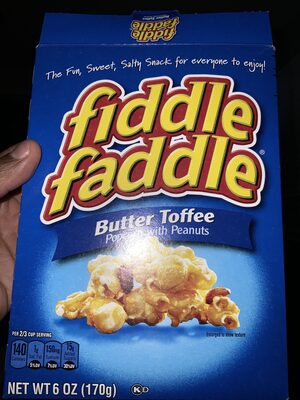 Conagra Brands
FIDDLE FADDLE Butter Toffee Popcorn, 6 OZ
419kcal
3.2Protein
6.5Fat
83.9Carbs
STATER BROS.
Lite Caesar Dressing, Lite Caesar
133kcal
3.3Protein
6.7Fat
13.3Carbs
GREAT AMERICAN
Bacon Wrapped Filet Of Beef
High in sodium — 36% DV per serving
High in saturated fat — 30% DV per serving
High in cholesterol — 28% DV per serving
183kcal
16.9Protein
12.7Fat
0.7Carbs
SPANISH TOWN CARIBBEAN FOODS
Coconut Bulla, Coconut
211kcal
5.6Protein
3.2Fat
47.2Carbs
Topco Associates, Inc.
Cottage Cheese
High in sodium — 30% DV per serving
97kcal
8.0Protein
4.4Fat
7.1Carbs
Topco Associates, Inc.
Small Curd Cottage Cheese
100kcal
10Protein
4.1Fat
4.5Carbs
Conagra Brands
FIDDLE FADDLE Butter Toffee Popcorn, 6 OZ
419kcal
3.2Protein
6.5Fat
83.9Carbs
STATER BROS.
Lite Caesar Dressing, Lite Caesar
133kcal
3.3Protein
6.7Fat
13.3Carbs
GREAT AMERICAN
Bacon Wrapped Filet Of Beef
High in sodium — 36% DV per serving
High in saturated fat — 30% DV per serving
High in cholesterol — 28% DV per serving
183kcal
16.9Protein
12.7Fat
0.7Carbs
SPANISH TOWN CARIBBEAN FOODS
Coconut Bulla, Coconut
211kcal
5.6Protein
3.2Fat
47.2Carbs
Topco Associates, Inc.
Cottage Cheese
High in sodium — 30% DV per serving
97kcal
8.0Protein
4.4Fat
7.1Carbs
Topco Associates, Inc.
Small Curd Cottage Cheese
100kcal
10Protein
4.1Fat
4.5Carbs
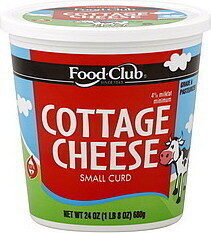 Topco Associates, Inc.
4% Small Curd Cottage Cheese
88kcal
12.4Protein
3.5Fat
2.6Carbs
Topco Associates, Inc.
4% Small Curd Cottage Cheese
88kcal
12.4Protein
3.5Fat
2.6Carbs
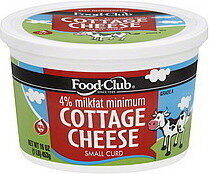 Topco Associates, Inc.
4% Small Curd Cottage Cheese
88kcal
12.4Protein
3.5Fat
2.6Carbs
Topco Associates, Inc.
4% Small Curd Cottage Cheese
88kcal
12.4Protein
3.5Fat
2.6Carbs
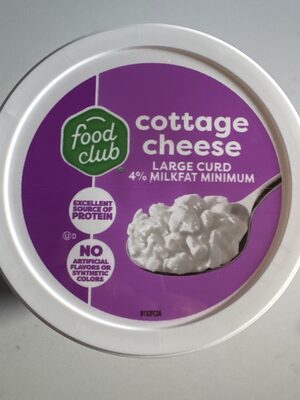 Topco Associates, Inc.
4% Large Curd Cottage Cheese
88kcal
11.5Protein
3.1Fat
3.5Carbs
Topco Associates, Inc.
4% Large Curd Cottage Cheese
88kcal
11.5Protein
3.1Fat
3.5Carbs