Leuconostoc Mesenteroides Subsp
What is Leuconostoc Mesenteroides Subsp?
Leuconostoc mesenteroides subsp. is a type of bacteria. It is commonly used to produce lactic acid, which gives foods a tangy flavor and helps preserve them. It is often found in fermented foods like yogurt and kefir.
Is Leuconostoc Mesenteroides Subsp vegan?
Leuconostoc Mesenteroides Subsp is not animal-derived. Products that contain it can still include other animal-derived ingredients, so check the full ingredient list.
Is Leuconostoc Mesenteroides Subsp a major allergen?
Not a major allergen.
What is Leuconostoc Mesenteroides Subsp used for?
This bacterium is used as a starter culture in the production of fermented dairy products like yogurt and kefir.
Is Leuconostoc Mesenteroides Subsp safe?
Leuconostoc mesenteroides subsp. is generally recognized as safe (GRAS) by the FDA when used as a starter culture.
Why it's used
This bacterium is used as a starter culture in the production of fermented dairy products like yogurt and kefir. It helps to develop the characteristic tangy flavor and texture of these foods through the fermentation process. It can also be used to produce dextran, a polysaccharide.
Health notes
Leuconostoc mesenteroides subsp. is generally recognized as safe (GRAS) by the FDA when used as a starter culture. The FDA has not set specific regulations for its use as a food ingredient beyond its GRAS status. International bodies like JECFA have evaluated similar bacterial cultures, and no significant health concerns have been identified with its use in typical food amounts.
Allergen info
Not a major allergen. It is a bacterium and not derived from any of the nine FDA major allergens.
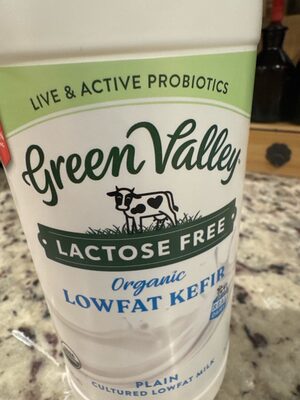
Foods that contain Leuconostoc Mesenteroides Subsp
Compare products →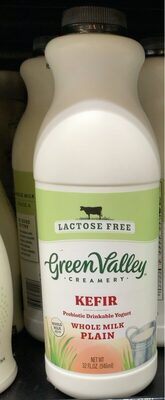
Auto-generated content. This description was generated automatically and is pending editorial review. Inaccuracies are possible. Found a mistake? Contact us.