Limewater
Auto-generated content. This description was generated automatically and is pending editorial review. Inaccuracies are possible. Found a mistake? Contact us.
What it is
Limewater is a clear, colorless liquid made by dissolving calcium hydroxide in water. Calcium hydroxide is a chemical compound produced by heating calcium carbonate (like limestone) and then reacting the resulting calcium oxide with water. It's often used as a food additive.
Why it's used
Manufacturers use limewater primarily as an acidity regulator and firming agent in food processing. It helps to maintain a stable pH and can improve the texture of certain foods, making them firmer and less likely to break down. It is often found in canned vegetables, pickles, and some processed snacks.
Health notes
In the U.S., limewater (calcium hydroxide) is generally recognized as safe (GRAS) by the FDA for use as a food additive. It is a source of calcium, which is an essential nutrient. International bodies like JECFA have evaluated calcium hydroxide and established acceptable daily intake levels. At typical consumption levels, it is not associated with adverse health effects.
Allergen info
Limewater is not derived from any of the nine major allergens recognized by the FDA. It does not contain gluten.
Products containing Limewater
Compare products →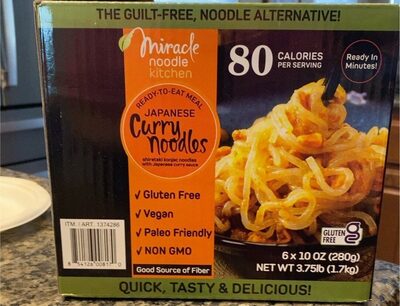 Strumba Media LLC
Japanese Curry Noodles Ready To Eat Meal, Japanese Curry
57kcal
0.7Protein
1.4Fat
10Carbs
Strumba Media LLC
Spaghetti Marinara Plant Based Noodles, Spaghetti Marinara
29kcal
0Protein
1.4Fat
4.3Carbs
Strumba Media LLC
Japanese Curry Plant Based Noodles, Japanese Curry
57kcal
0.7Protein
1.4Fat
10Carbs
Strumba Media LLC
Thai Tom Yum + Plant Based Noodles, Thai Tom Yum
50kcal
0.7Protein
2.1Fat
6.4Carbs
Gilbert's Candy & Confections, LLC
Spinach Plant Based Noodles, Angel Hair Style
6kcal
0Protein
0Fat
2.4Carbs
Strumba Media LLC
Pad Thai + Plant Based Noodles, Pad Thai
64kcal
2.1Protein
2.5Fat
8.6Carbs
Strumba Media LLC
Japanese Curry Noodles Ready To Eat Meal, Japanese Curry
57kcal
0.7Protein
1.4Fat
10Carbs
Strumba Media LLC
Spaghetti Marinara Plant Based Noodles, Spaghetti Marinara
29kcal
0Protein
1.4Fat
4.3Carbs
Strumba Media LLC
Japanese Curry Plant Based Noodles, Japanese Curry
57kcal
0.7Protein
1.4Fat
10Carbs
Strumba Media LLC
Thai Tom Yum + Plant Based Noodles, Thai Tom Yum
50kcal
0.7Protein
2.1Fat
6.4Carbs
Gilbert's Candy & Confections, LLC
Spinach Plant Based Noodles, Angel Hair Style
6kcal
0Protein
0Fat
2.4Carbs
Strumba Media LLC
Pad Thai + Plant Based Noodles, Pad Thai
64kcal
2.1Protein
2.5Fat
8.6Carbs