Mascarpone Cheese
What is Mascarpone Cheese?
Mascarpone is a very rich, soft Italian cream cheese. It is made by heating heavy cream and then adding a tartaric acid solution to thicken it. The resulting curd is strained to create a smooth, spreadable cheese.
Is Mascarpone Cheese vegan?
No. Mascarpone Cheese is animal-derived, so it is not vegan.
Is Mascarpone Cheese gluten-free?
It does not contain gluten.
Is Mascarpone Cheese a major allergen?
Mascarpone is derived from milk, which is one of the nine FDA major allergens.
What is Mascarpone Cheese used for?
Manufacturers use mascarpone for its rich, creamy texture and slightly sweet, milky flavor.
Is Mascarpone Cheese safe?
Mascarpone is generally recognized as safe (GRAS) by the FDA when used as a food ingredient.
Why it's used
Manufacturers use mascarpone for its rich, creamy texture and slightly sweet, milky flavor. It adds richness and a smooth mouthfeel to desserts like tiramisu, cheesecakes, and ice cream. It can also be used in savory dishes, such as pasta sauces and dips, to add creaminess.
Health notes
Mascarpone is generally recognized as safe (GRAS) by the FDA when used as a food ingredient. It is a dairy product and therefore contains fat and calories. The WHO/IARC has not classified mascarpone. JECFA has evaluated similar dairy products but did not set a numeric limit for mascarpone itself.
Allergen info
Mascarpone is derived from milk, which is one of the nine FDA major allergens. It does not contain gluten.
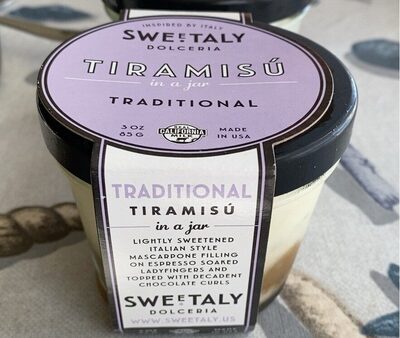
Foods that contain Mascarpone Cheese
Compare products →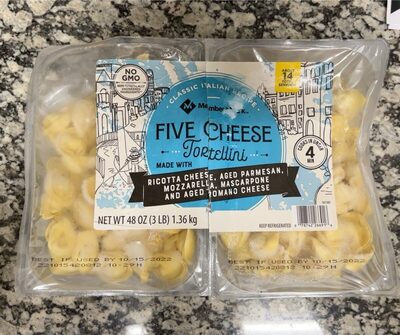
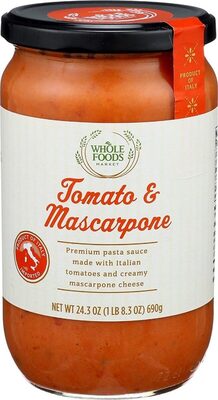
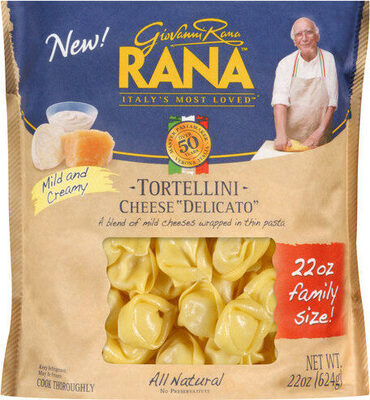
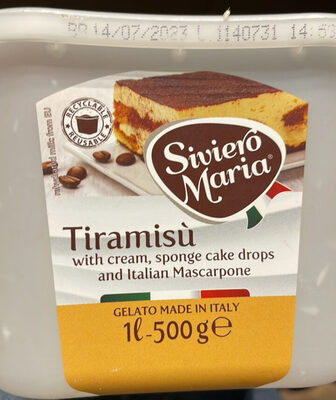
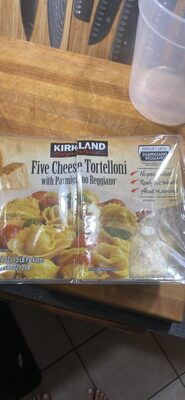
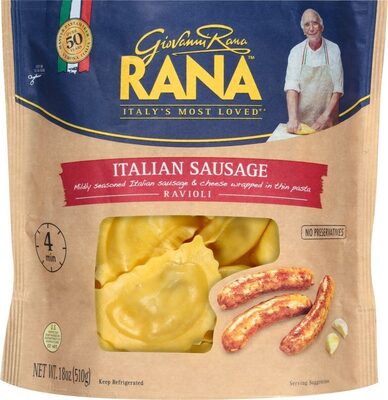
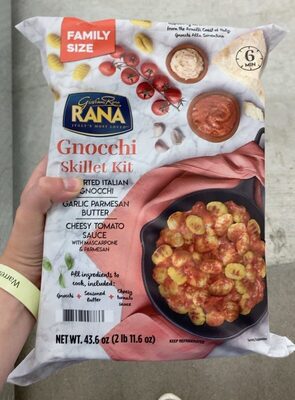
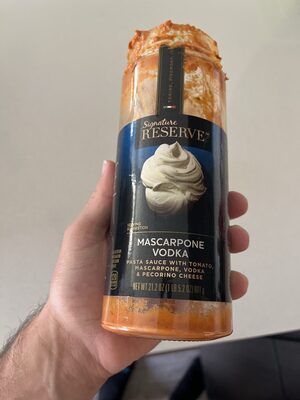
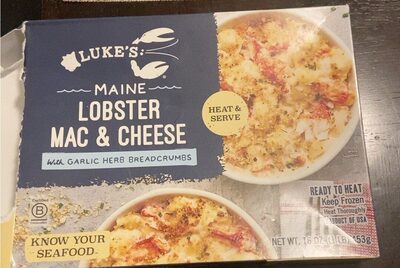
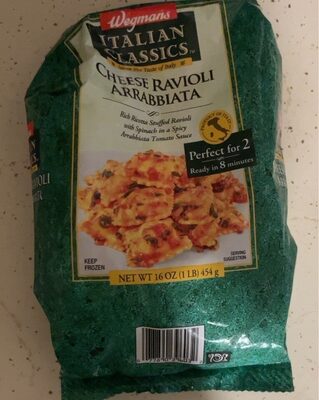
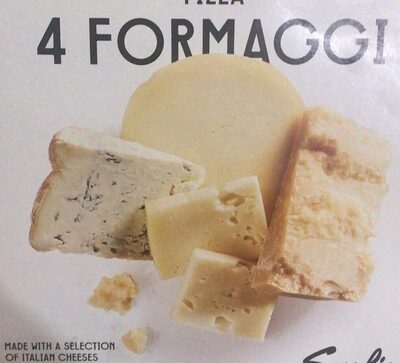
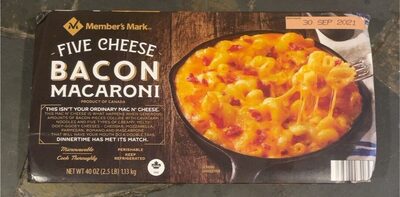

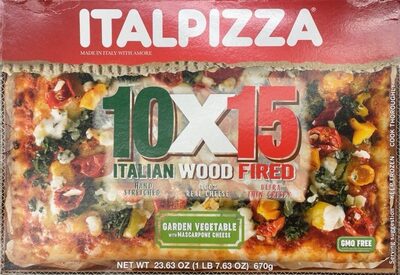
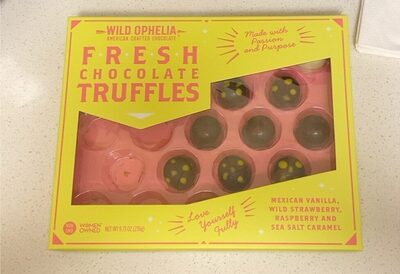
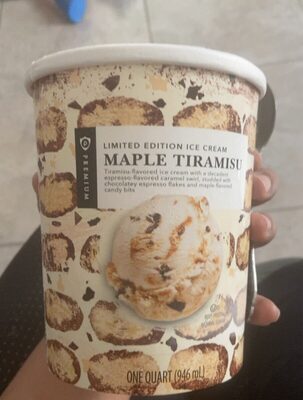
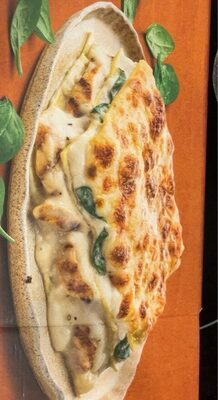

Learn more
Auto-generated content. This description was generated automatically and is pending editorial review. Inaccuracies are possible. Found a mistake? Contact us.