Milk And Vitamin D3
Auto-generated content. This description was generated automatically and is pending editorial review. Inaccuracies are possible. Found a mistake? Contact us.
What it is
Vitamin D is a nutrient naturally found in milk. Vitamin D3, also known as cholecalciferol, is a form of vitamin D that can be added to milk. It helps the body absorb calcium and phosphorus, which are important for bone health.
Why it's used
Vitamin D3 is added to milk and other dairy products to increase their nutritional value. It is often found in fortified milk, yogurt, and cheese. Manufacturers add it to help consumers meet their daily vitamin D needs.
Health notes
In the US, vitamin D is generally recognized as safe (GRAS) when added to foods like milk. The FDA permits its addition as a nutrient. JECFA has evaluated vitamin D and established acceptable intake levels. Consuming adequate vitamin D is important for bone health and immune function. Very high intakes can lead to adverse effects, but these are unlikely from typical food consumption.
Allergen info
Milk is one of the 9 major allergens identified by the FDA. Therefore, milk and products derived from it are considered major allergens.
Products containing Milk And Vitamin D3
Compare products →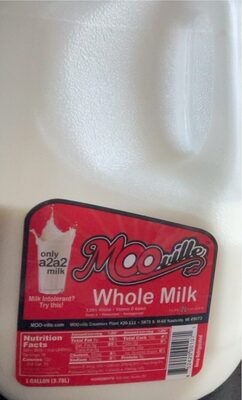 Moo-Ville
Whole Milk
High in saturated fat — 25% DV per serving
62kcal
3.8Protein
3.3Fat
5.4Carbs
Prairie Farms Dairy, Inc.
Whole Milk
High in saturated fat — 25% DV per serving
62kcal
3.3Protein
3.3Fat
4.6Carbs
Moo-Ville
Whole Milk
High in saturated fat — 25% DV per serving
62kcal
3.8Protein
3.3Fat
5.4Carbs
Prairie Farms Dairy, Inc.
Whole Milk
High in saturated fat — 25% DV per serving
62kcal
3.3Protein
3.3Fat
4.6Carbs