Milk Chocolate Gems
What is Milk Chocolate Gems?
Milk chocolate gems are small, candy-coated pieces of milk chocolate. They are made by coating a chocolate center with a hard sugar shell, often in bright colors. The process involves tumbling the chocolate pieces with layers of sugar syrup and coloring agents until the desired shell thickness is achieved.
Is Milk Chocolate Gems vegan?
No. Milk Chocolate Gems is animal-derived, so it is not vegan.
Is Milk Chocolate Gems a major allergen?
Milk chocolate gems contain milk, which is one of the FDA's major allergens.
What is Milk Chocolate Gems used for?
Manufacturers add milk chocolate gems for their sweet taste, appealing texture, and decorative appearance.
Is Milk Chocolate Gems safe?
Milk chocolate gems are generally recognized as safe (GRAS) by the FDA when used as a food ingredient.
Why it's used
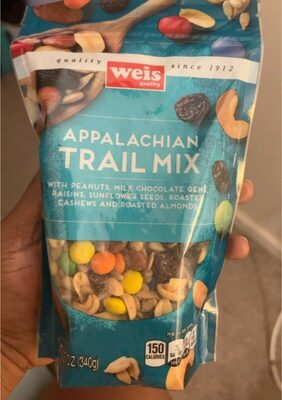
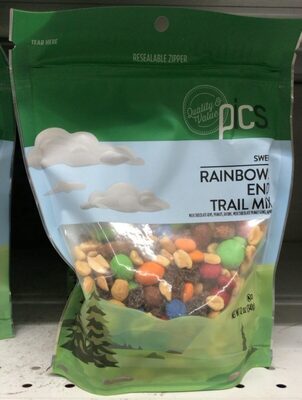
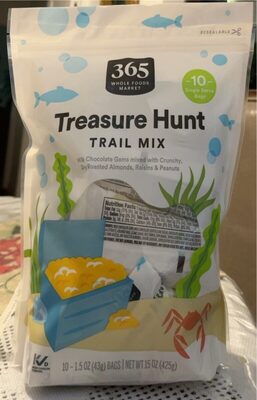
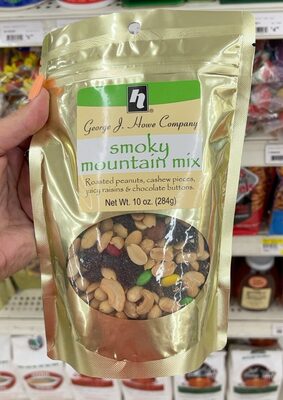
Manufacturers add milk chocolate gems for their sweet taste, appealing texture, and decorative appearance. They are commonly found in trail mixes, snack mixes, baked goods like cookies and muffins, and as a topping for ice cream and desserts.
Health notes
Milk chocolate gems are generally recognized as safe (GRAS) by the FDA when used as a food ingredient. They are primarily a source of sugar and fat. Regulatory bodies like JECFA and EFSA have evaluated the components of milk chocolate and its coatings. At typical consumption levels, they contribute to overall sugar intake.
Allergen info
Milk chocolate gems contain milk, which is one of the FDA's major allergens. They may also be produced in facilities that handle other allergens like soy or nuts, leading to potential cross-contamination.
Foods that contain Milk Chocolate Gems
Compare products →


Auto-generated content. This description was generated automatically and is pending editorial review. Inaccuracies are possible. Found a mistake? Contact us.