Milk Mineral Concentrate
What is Milk Mineral Concentrate?
Milk mineral concentrate is a dairy-derived ingredient made by concentrating the minerals found naturally in milk. It is produced by removing water and milk solids, leaving behind a concentrated source of calcium and phosphorus. This process helps to isolate and enhance the mineral content of milk.
Is Milk Mineral Concentrate vegan?
No. Milk Mineral Concentrate is animal-derived, so it is not vegan.
Is Milk Mineral Concentrate gluten-free?
It does not contain gluten.
Is Milk Mineral Concentrate a major allergen?
Milk mineral concentrate is derived from milk, which is one of the nine major allergens recognized by the FDA.
What is Milk Mineral Concentrate used for?
Manufacturers add milk mineral concentrate to foods to increase their calcium and phosphorus content, acting as a nutrient fortifier.
Is Milk Mineral Concentrate safe?
In the US, milk mineral concentrate is generally recognized as safe (GRAS) by the FDA when used for its intended purpose.
Why it's used
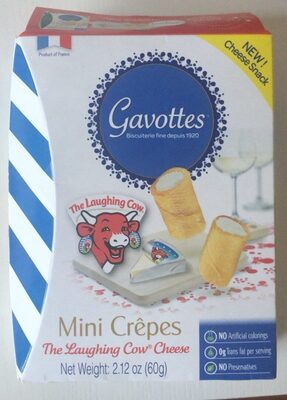
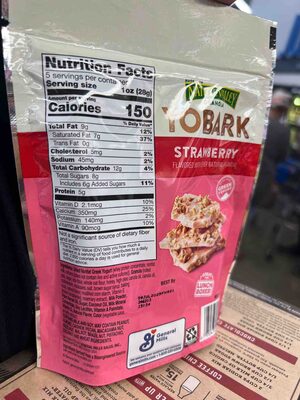
Manufacturers add milk mineral concentrate to foods to increase their calcium and phosphorus content, acting as a nutrient fortifier. It is often found in dairy products like puddings and custards, as well as in baked goods such as crackers and biscotti, and spreads. Its neutral flavor profile makes it suitable for a wide range of applications.
Health notes
In the US, milk mineral concentrate is generally recognized as safe (GRAS) by the FDA when used for its intended purpose. It is a source of essential minerals, calcium and phosphorus, which are important for bone health. Regulatory bodies like JECFA and EFSA have evaluated dairy-derived mineral sources. Evidence does not suggest adverse health effects at typical dietary intake levels.
Allergen info
Milk mineral concentrate is derived from milk, which is one of the nine major allergens recognized by the FDA. It does not contain gluten.
Foods that contain Milk Mineral Concentrate
Compare products →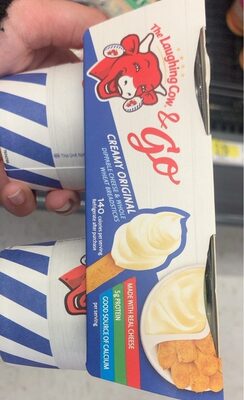


Learn more
Auto-generated content. This description was generated automatically and is pending editorial review. Inaccuracies are possible. Found a mistake? Contact us.