Milk With 400 I
What is Milk With 400 I?
Milk is a nutrient-rich liquid food produced by the mammary glands of mammals. In the US, the term 'milk' typically refers to cow's milk, which is commonly pasteurized to kill harmful bacteria and homogenized to prevent fat separation.
Is Milk With 400 I vegan?
No. Milk With 400 I is animal-derived, so it is not vegan.
Is Milk With 400 I gluten-free?
It does not contain gluten.
Is Milk With 400 I a major allergen?
Milk is one of the nine major food allergens identified by the FDA.
What is Milk With 400 I used for?
Milk is consumed as a beverage and used as a key ingredient in a wide variety of dairy products like cheese, yogurt, and butter.
Is Milk With 400 I safe?
Milk is a source of calcium, vitamin D, and protein.
Why it's used
Milk is consumed as a beverage and used as a key ingredient in a wide variety of dairy products like cheese, yogurt, and butter. It also serves as a base for sauces, baked goods, and processed foods, contributing moisture, richness, and protein.
Health notes
Milk is a source of calcium, vitamin D, and protein. The U.S. Food and Drug Administration (FDA) considers milk a major food allergen. Regulatory bodies like the Joint FAO/WHO Expert Committee on Food Additives (JECFA) and the European Food Safety Authority (EFSA) have evaluated milk and its components. Evidence generally supports milk's role in bone health, though some individuals may experience digestive issues or intolerances.
Allergen info
Milk is one of the nine major food allergens identified by the FDA. It does not contain gluten.
Foods that contain Milk With 400 I
Compare products →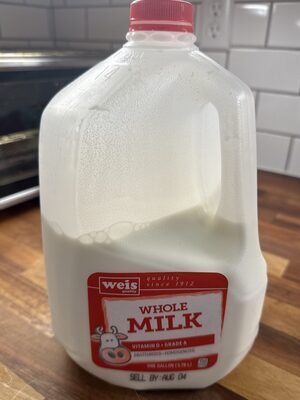
Learn more
Auto-generated content. This description was generated automatically and is pending editorial review. Inaccuracies are possible. Found a mistake? Contact us.