Milk With Vitamin D3 Added
Auto-generated content. This description was generated automatically and is pending editorial review. Inaccuracies are possible. Found a mistake? Contact us.
What it is
Milk is a nutrient-rich liquid food produced by the mammary glands of mammals. In the US, most milk sold is from cows. Vitamin D3 (cholecalciferol) is a fat-soluble vitamin naturally produced in the skin when exposed to sunlight. It is added to milk to help consumers meet their vitamin D needs.
Why it's used
Vitamin D is added to milk to increase its nutritional value, as vitamin D helps the body absorb calcium and phosphorus, which are important for bone health. It is commonly found in fluid milk products like whole milk, reduced-fat milk, and skim milk, as well as some dairy alternatives.
Health notes
Vitamin D is essential for bone health and immune function. The FDA considers the addition of vitamin D to milk to be safe and effective. Major health organizations like the WHO and EFSA have also evaluated vitamin D and its role in human health. While generally safe, very high intakes of vitamin D can lead to adverse health effects, but typical intakes from fortified milk are unlikely to cause harm.
Allergen info
Milk is one of the nine major allergens identified by the FDA. Therefore, milk with vitamin D3 added is considered a major allergen.
Products containing Milk With Vitamin D3 Added
Compare products →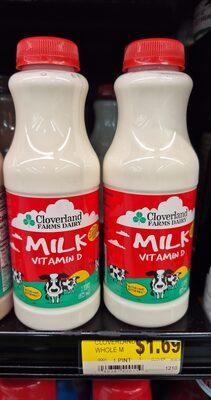 Two Farms Inc.
Cloverland Farms Dairy, Vitamin D Milk
High in saturated fat — 25% DV per serving
67kcal
3.3Protein
3.3Fat
5.4Carbs
Two Farms Inc.
Cloverland Farms Dairy, Vitamin D Milk
High in saturated fat — 25% DV per serving
67kcal
3.3Protein
3.3Fat
5.4Carbs
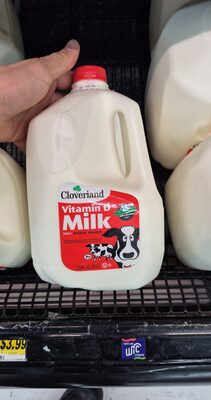 Two Farms Inc.
Cloverland Farms Dairy, Vitamin D Milk
High in saturated fat — 25% DV per serving
67kcal
3.3Protein
3.3Fat
5.4Carbs
Bob Evans Farms Inc
Double Cheddar Pasta With Applewood Smoked Bacon
High in sodium — 48% DV per serving
High in saturated fat — 45% DV per serving
173kcal
7.7Protein
8.6Fat
16.4Carbs
Two Farms Inc.
Cloverland Farms Dairy, Vitamin D Milk
High in saturated fat — 25% DV per serving
67kcal
3.3Protein
3.3Fat
5.4Carbs
Bob Evans Farms Inc
Double Cheddar Pasta With Applewood Smoked Bacon
High in sodium — 48% DV per serving
High in saturated fat — 45% DV per serving
173kcal
7.7Protein
8.6Fat
16.4Carbs
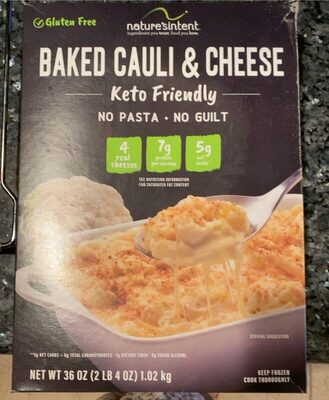 Glo's Gumbo, LLC
Baked Cauli & Cheese
High in saturated fat — 30% DV per serving
127kcal
6.4Protein
9.1Fat
5.5Carbs
Dutch Farms Inc.
Vitamin D Milk
High in saturated fat — 25% DV per serving
62kcal
3.3Protein
3.3Fat
5Carbs
Dutch Farms Inc.
Whole Milk
High in saturated fat — 25% DV per serving
62kcal
3.3Protein
3.3Fat
5Carbs
Glo's Gumbo, LLC
Baked Cauli & Cheese
High in saturated fat — 30% DV per serving
127kcal
6.4Protein
9.1Fat
5.5Carbs
Dutch Farms Inc.
Vitamin D Milk
High in saturated fat — 25% DV per serving
62kcal
3.3Protein
3.3Fat
5Carbs
Dutch Farms Inc.
Whole Milk
High in saturated fat — 25% DV per serving
62kcal
3.3Protein
3.3Fat
5Carbs
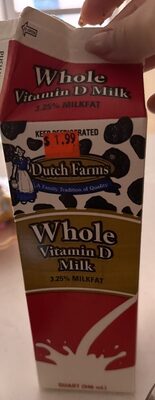 Dutch Farms Inc.
3.25% Vitamin D Whole Milk
High in saturated fat — 25% DV per serving
62kcal
3.3Protein
3.3Fat
5Carbs
Dutch Farms Inc.
3.25% Vitamin D Whole Milk
High in saturated fat — 25% DV per serving
62kcal
3.3Protein
3.3Fat
5Carbs