Minced Alaskan Pollock
What is Minced Alaskan Pollock?
Minced Alaskan pollock is a white fish that comes from the North Pacific Ocean. It is typically processed by removing skin and bones, then mincing the flesh. The minced fish is often formed into shapes or used as a base for other seafood products.
Is Minced Alaskan Pollock vegan?
No. Minced Alaskan Pollock is animal-derived, so it is not vegan.
Is Minced Alaskan Pollock gluten-free?
It does not contain gluten.
Is Minced Alaskan Pollock a major allergen?
Alaskan pollock is a type of fish, which is one of the 9 FDA major allergens.
What is Minced Alaskan Pollock used for?
Manufacturers use minced Alaskan pollock as a protein source and a base for processed seafood items like fish sticks and fish cakes.
Is Minced Alaskan Pollock safe?
Alaskan pollock is a source of protein and omega-3 fatty acids.
Why it's used
Manufacturers use minced Alaskan pollock as a protein source and a base for processed seafood items like fish sticks and fish cakes. Its mild flavor and flaky texture make it versatile for breaded or formed products.
Health notes
Alaskan pollock is a source of protein and omega-3 fatty acids. The FDA considers it safe for consumption. International bodies like JECFA have evaluated fish and seafood products, but no specific health claims are typically associated with minced pollock at normal dietary intake levels.
Allergen info
Alaskan pollock is a type of fish, which is one of the 9 FDA major allergens. It does not contain gluten.
Foods that contain Minced Alaskan Pollock
Compare products →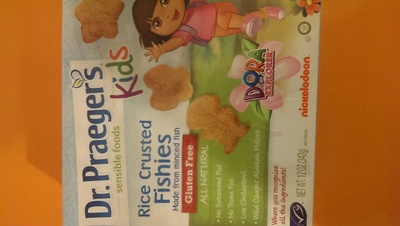
Learn more
Auto-generated content. This description was generated automatically and is pending editorial review. Inaccuracies are possible. Found a mistake? Contact us.