Mineral Salt
Auto-generated content. This description was generated automatically and is pending editorial review. Inaccuracies are possible. Found a mistake? Contact us.
What it is
Mineral salt is a general term for salts obtained from natural mineral deposits, such as those found in the earth's crust or from evaporated ancient seas. These salts primarily consist of sodium chloride but also contain various trace minerals. They are typically mined or harvested and then processed into granules or crystals.
Why it's used
Mineral salts are widely used in food for flavoring, seasoning, and preservation. They enhance the taste of dishes and can extend the shelf life of certain products. They are commonly found in seasoning mixes, processed meats, crackers, and some dairy alternatives.
Health notes
Mineral salts, primarily composed of sodium chloride, are generally recognized as safe (GRAS) by the FDA. Sodium is an essential nutrient, but excessive intake is a public health concern. The FDA Daily Value for sodium is 2,300 mg. JECFA has evaluated sodium chloride and established an acceptable daily intake. While some mineral salts contain trace minerals, their contribution to overall nutrient intake at typical consumption levels is generally small.
Allergen info
Not a major allergen.
Products containing Mineral Salt
Compare products →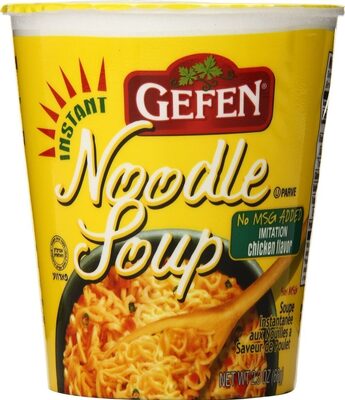 Cachere Distributing Inc.
Instant Noodle Soup, Chicken
High in sodium — 52% DV per serving
High in saturated fat — 30% DV per serving
462kcal
7.7Protein
20Fat
63.1Carbs
The Yarra Valley Dairy Pty Ltd
Marinated Feta
425kcal
12Protein
40Fat
—Carbs
Dietz & Watson Inc.
Home Style Roast Beef
125kcal
23.2Protein
2.7Fat
0Carbs
Dietz & Watson Inc.
Traditional Thin Sliced Corned Beef, Traditional
High in sodium — 21% DV per serving
125kcal
23.2Protein
2.7Fat
1.8Carbs
Cachere Distributing Inc.
Instant Noodle Soup, Chicken
High in sodium — 52% DV per serving
High in saturated fat — 30% DV per serving
462kcal
7.7Protein
20Fat
63.1Carbs
The Yarra Valley Dairy Pty Ltd
Marinated Feta
425kcal
12Protein
40Fat
—Carbs
Dietz & Watson Inc.
Home Style Roast Beef
125kcal
23.2Protein
2.7Fat
0Carbs
Dietz & Watson Inc.
Traditional Thin Sliced Corned Beef, Traditional
High in sodium — 21% DV per serving
125kcal
23.2Protein
2.7Fat
1.8Carbs