Minerals
Auto-generated content. This description was generated automatically and is pending editorial review. Inaccuracies are possible. Found a mistake? Contact us.
What it is
Minerals are naturally occurring chemical elements essential for human health. They are found in foods like fruits, vegetables, grains, and dairy products, and are also added to processed foods. In food processing, minerals can be added in purified or refined forms, often as salts.
Why it's used
Minerals are often added to foods to increase their nutritional value, acting as a nutrient fortification. They can also serve other functions, such as acting as acidity regulators or preservatives. They are commonly found in fortified foods like plant-based milks, cereals, and spreads.
Health notes
Minerals are essential nutrients, and the US Food and Drug Administration (FDA) regulates their addition to foods. Many minerals are recognized as Generally Recognized As Safe (GRAS) for their intended use. International bodies like the Joint FAO/WHO Expert Committee on Food Additives (JECFA) and the European Food Safety Authority (EFSA) have evaluated many minerals. While essential, excessive intake of certain minerals can have adverse health effects, and the National Academies of Sciences, Engineering, and Medicine have established Upper Intake Levels (ULs) for some minerals.
Allergen info
Minerals themselves are not among the FDA's 9 major food allergens. They are inorganic elements and do not contain protein structures that typically trigger allergic reactions. Gluten is also not associated with minerals.
Products containing Minerals
Compare products →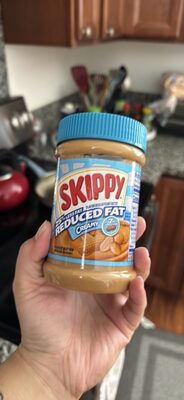 Hormel Foods Corporation
Peanut Butter Spread, Creamy
529kcal
20.6Protein
35.3Fat
41.2Carbs
S. M. Flickinger Co., Inc.
Reduced Fat Peanut Spread, Creamy
543kcal
25.7Protein
34.3Fat
37.1Carbs
Faribault Foods, Inc.
Spaghetti & Meatballs In Tomato Sauce
High in sodium — 33% DV per serving
98kcal
3.5Protein
3.9Fat
11.4Carbs
Foodtown, Inc.
Peanut Spread, Creamy
529kcal
20.6Protein
35.3Fat
38.2Carbs
Weis Markets, Inc.
Weis Quality, Healthy Chunky Vegetable Soup
49kcal
1.6Protein
0Fat
10.2Carbs
Key Food Stores Co-Operative, Inc.
Key Food, Quality, Creamy Peanut Butter Spread
543kcal
25.7Protein
34.3Fat
37.1Carbs
Key Food Stores Co-Operative, Inc.
Peanut Spread
543kcal
25.7Protein
34.3Fat
37.1Carbs
Hormel Foods Corporation
Peanut Butter Spread, Creamy
529kcal
20.6Protein
35.3Fat
41.2Carbs
S. M. Flickinger Co., Inc.
Reduced Fat Peanut Spread, Creamy
543kcal
25.7Protein
34.3Fat
37.1Carbs
Faribault Foods, Inc.
Spaghetti & Meatballs In Tomato Sauce
High in sodium — 33% DV per serving
98kcal
3.5Protein
3.9Fat
11.4Carbs
Foodtown, Inc.
Peanut Spread, Creamy
529kcal
20.6Protein
35.3Fat
38.2Carbs
Weis Markets, Inc.
Weis Quality, Healthy Chunky Vegetable Soup
49kcal
1.6Protein
0Fat
10.2Carbs
Key Food Stores Co-Operative, Inc.
Key Food, Quality, Creamy Peanut Butter Spread
543kcal
25.7Protein
34.3Fat
37.1Carbs
Key Food Stores Co-Operative, Inc.
Peanut Spread
543kcal
25.7Protein
34.3Fat
37.1Carbs
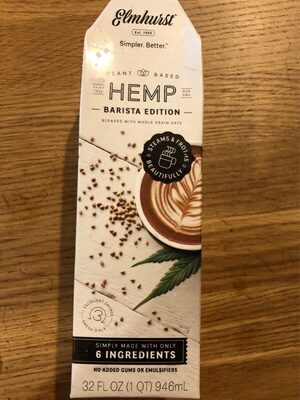 Steuben Foods Inc.
Barista Edition Hemp, Barista Edition
54kcal
1.2Protein
2.5Fat
5.8Carbs
Steuben Foods Inc.
Barista Edition Hemp, Barista Edition
54kcal
1.2Protein
2.5Fat
5.8Carbs