Mirin Wine
Auto-generated content. This description was generated automatically and is pending editorial review. Inaccuracies are possible. Found a mistake? Contact us.
What it is
Mirin is a sweet rice wine used in Japanese cooking. It is made from glutinous rice, rice koji (a mold), and shochu or sake. The mixture is fermented for several weeks, creating a sweet, syrupy liquid.
Why it's used
Mirin adds a subtle sweetness and a glossy sheen to foods. It is commonly used in marinades, glazes, sauces, and dressings, particularly for fish, poultry, and vegetables. It also helps to tenderize meat and mask odors.
Health notes
Mirin is generally recognized as safe (GRAS) by the FDA for use in food. It contains alcohol, but the amount is typically very low in the finished product. JECFA has evaluated mirin and established a Group Acceptable Daily Intake (ADI) for flavoring agents, which includes mirin. Evidence does not suggest adverse health effects from typical consumption.
Allergen info
Mirin is derived from rice, which is not one of the 9 FDA major allergens. It does not contain gluten.
Products containing Mirin Wine
Compare products →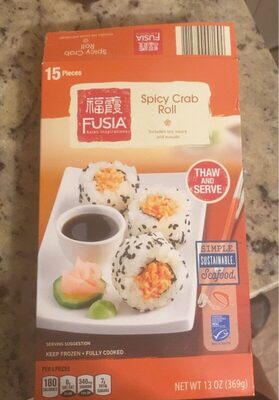 FUSIA ASIAN INSPIRATIONS
Spicy Crab Roll
120kcal
4.2Protein
2.8Fat
19.0Carbs
FUSIA
Stir-Fry Asian Sauce
88kcal
0Protein
0Fat
17.6Carbs
FREMONT FISH MARKET
Leg Style Imitation Crab Meat, Leg Style
94kcal
7.1Protein
—Fat
16.5Carbs
LOUIS KEMP
Leg Imitation Crab, Leg
94kcal
8.2Protein
0Fat
14.1Carbs
LOUIS KEMP
Flake Imitation Crab, Flake
94kcal
8.2Protein
0Fat
14.1Carbs
HY-VEE FISH MARKET
Flake Style Imitation Crab Meat, Flake Style
High in sodium — 20% DV per serving
94kcal
9.4Protein
0Fat
12.9Carbs
WATERFRONT BISTRO
Flake Style Imitation Crabmeat, Flake Style
High in sodium — 23% DV per serving
129kcal
8.2Protein
2.4Fat
17.6Carbs
LOUIS KEMP
Flake Imitation Crab, Flake
94kcal
8.2Protein
0Fat
14.1Carbs
LOUIS KEMP
Leg Imitation Crab, Leg
94kcal
8.2Protein
0Fat
14.1Carbs
FUSIA ASIAN INSPIRATIONS
Spicy Crab Roll
120kcal
4.2Protein
2.8Fat
19.0Carbs
FUSIA
Stir-Fry Asian Sauce
88kcal
0Protein
0Fat
17.6Carbs
FREMONT FISH MARKET
Leg Style Imitation Crab Meat, Leg Style
94kcal
7.1Protein
—Fat
16.5Carbs
LOUIS KEMP
Leg Imitation Crab, Leg
94kcal
8.2Protein
0Fat
14.1Carbs
LOUIS KEMP
Flake Imitation Crab, Flake
94kcal
8.2Protein
0Fat
14.1Carbs
HY-VEE FISH MARKET
Flake Style Imitation Crab Meat, Flake Style
High in sodium — 20% DV per serving
94kcal
9.4Protein
0Fat
12.9Carbs
WATERFRONT BISTRO
Flake Style Imitation Crabmeat, Flake Style
High in sodium — 23% DV per serving
129kcal
8.2Protein
2.4Fat
17.6Carbs
LOUIS KEMP
Flake Imitation Crab, Flake
94kcal
8.2Protein
0Fat
14.1Carbs
LOUIS KEMP
Leg Imitation Crab, Leg
94kcal
8.2Protein
0Fat
14.1Carbs