Monocalcium Phosphate Anhydrous
Auto-generated content. This description was generated automatically and is pending editorial review. Inaccuracies are possible. Found a mistake? Contact us.
What it is
Monocalcium phosphate anhydrous is a chemical compound made from calcium, phosphorus, and oxygen. It is produced industrially by reacting phosphoric acid with a calcium source, such as calcium carbonate or calcium hydroxide. This process results in a white powder that is odorless and tasteless.
Why it's used
This ingredient is commonly used as a leavening agent in baked goods like cakes, cookies, and pancake mixes. It reacts with baking soda to produce carbon dioxide gas, which helps dough and batter rise. It also acts as a dough conditioner and nutrient supplement in some food products.
Health notes
In the United States, monocalcium phosphate anhydrous is generally recognized as safe (GRAS) by the FDA for use in food. It is a source of calcium and phosphorus, both essential nutrients. International bodies like JECFA and EFSA have evaluated phosphate additives, and they are considered safe when consumed within typical dietary levels. High intake of phosphates from all sources could be a concern for individuals with kidney disease.
Allergen info
Monocalcium phosphate anhydrous is not derived from any of the nine FDA major allergens. It does not contain gluten.
Products containing Monocalcium Phosphate Anhydrous
Compare products →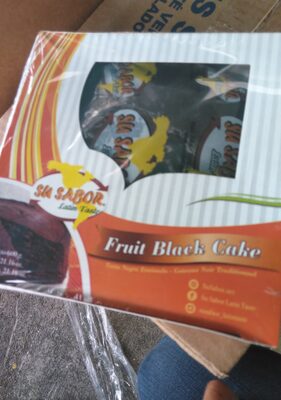 SN SABOR
Fruit Black Cake
High in saturated fat — 35% DV per serving
290kcal
6Protein
12Fat
38Carbs
Brandless, Inc
Pancake & Waffle Mix
High in sodium — 22% DV per serving
333kcal
3.5Protein
0.9Fat
75.4Carbs
SN SABOR
Fruit Black Cake
High in saturated fat — 35% DV per serving
290kcal
6Protein
12Fat
38Carbs
Brandless, Inc
Pancake & Waffle Mix
High in sodium — 22% DV per serving
333kcal
3.5Protein
0.9Fat
75.4Carbs
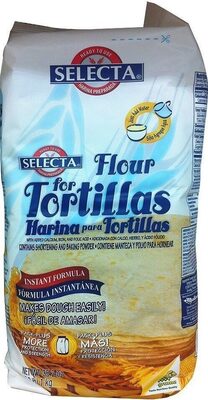 Azteca Milling Co.
Selecta, Flour Tortilla Mix
High in saturated fat — 20% DV per serving
450kcal
10Protein
20Fat
57.5Carbs
Lunds Inc
Mushroom Leek Savory Pancake Mix
High in sodium — 20% DV per serving
324kcal
14.7Protein
2.9Fat
64.7Carbs
Azteca Milling Co.
Selecta, Flour Tortilla Mix
High in saturated fat — 20% DV per serving
450kcal
10Protein
20Fat
57.5Carbs
Lunds Inc
Mushroom Leek Savory Pancake Mix
High in sodium — 20% DV per serving
324kcal
14.7Protein
2.9Fat
64.7Carbs
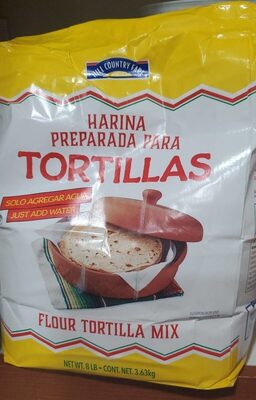 H E Butt Grocery Company
Flour Tortilla Mix, Flour
425kcal
7.5Protein
15Fat
65Carbs
H E Butt Grocery Company
Flour Tortilla Mix, Flour
425kcal
7.5Protein
15Fat
65Carbs
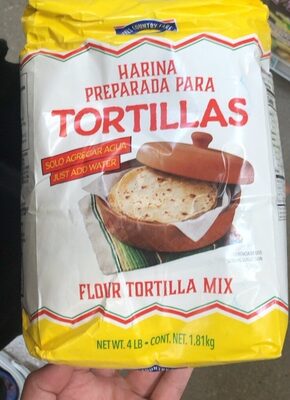 H E Butt Grocery Company
Flour Tortilla Mix, Flour
425kcal
7.5Protein
15Fat
65Carbs
H E Butt Grocery Company
Flour Tortilla Mix, Flour
425kcal
7.5Protein
15Fat
65Carbs
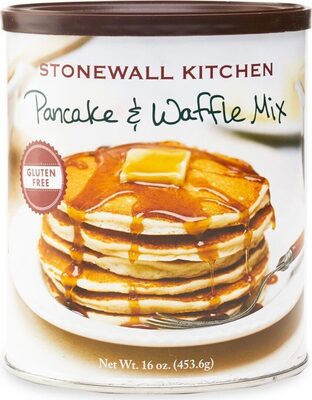 Stonewall Kitchen Ltd.
Pancake & Waffle Mix
333kcal
—Protein
0Fat
71.8Carbs
The Hillshire Brands Company
Sausage, Egg & Cheese Honey Butter Biscuit Roll Ups, Sausage, Egg & Cheese
289kcal
11.1Protein
14.4Fat
28.9Carbs
Stonewall Kitchen Ltd.
Pancake & Waffle Mix
333kcal
—Protein
0Fat
71.8Carbs
The Hillshire Brands Company
Sausage, Egg & Cheese Honey Butter Biscuit Roll Ups, Sausage, Egg & Cheese
289kcal
11.1Protein
14.4Fat
28.9Carbs