Napa Cabbage
What is Napa Cabbage?
Napa cabbage, also known as Chinese cabbage, is a type of Chinese cabbage. It is native to the Beijing region of China and is now grown worldwide. It has a mild flavor and a crisp texture, with tightly packed, elongated leaves.
Is Napa Cabbage vegan?
Napa Cabbage is not animal-derived. Products that contain it can still include other animal-derived ingredients, so check the full ingredient list.
Is Napa Cabbage gluten-free?
It does not contain gluten.
Is Napa Cabbage a major allergen?
Napa cabbage is not one of the nine major allergens recognized by the FDA.
What is Napa Cabbage used for?
Napa cabbage is often used in Asian cuisine, particularly in stir-fries, soups, and salads.
Is Napa Cabbage safe?
Napa cabbage is a vegetable and is generally recognized as safe by the FDA.
Why it's used
Napa cabbage is often used in Asian cuisine, particularly in stir-fries, soups, and salads. Manufacturers may use it for its mild flavor and crunchy texture, adding it to prepared meals like potstickers and salads.
Health notes
Napa cabbage is a vegetable and is generally recognized as safe by the FDA. It is a source of vitamins and minerals. Regulatory bodies like EFSA have evaluated many food ingredients, but specific evaluations for napa cabbage as a distinct ingredient in processed foods are not typically highlighted. Evidence does not suggest adverse health effects from consuming napa cabbage in typical dietary amounts.
Allergen info
Napa cabbage is not one of the nine major allergens recognized by the FDA. It does not contain gluten.
Foods that contain Napa Cabbage
Compare products →
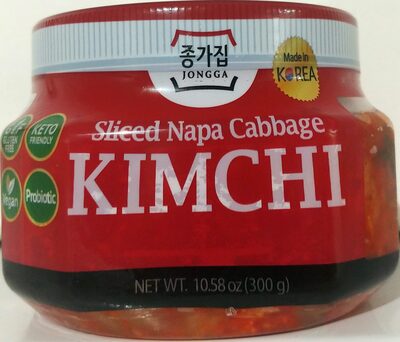
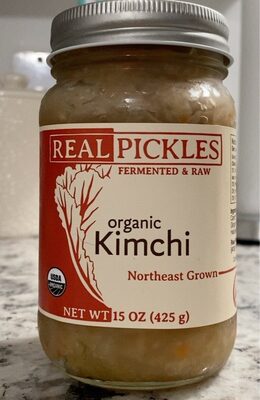
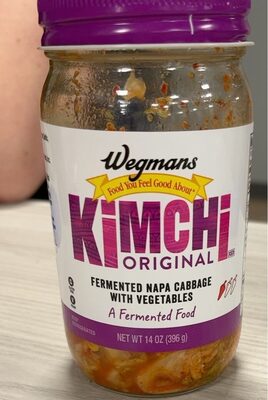

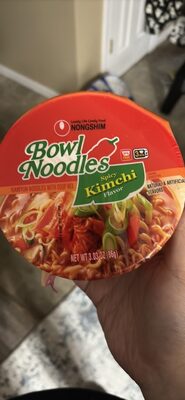
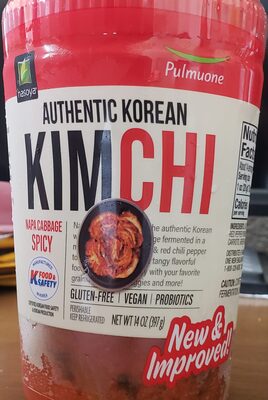
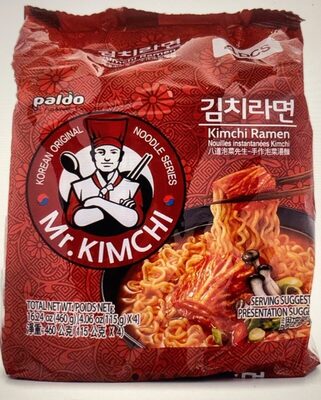
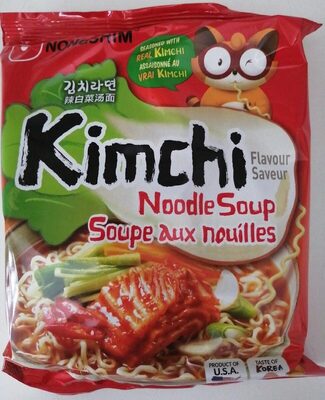
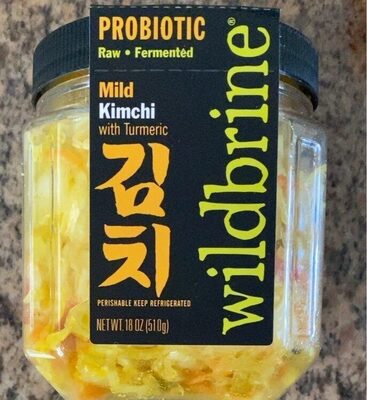
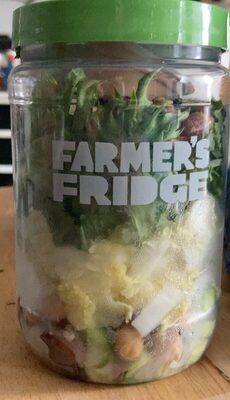
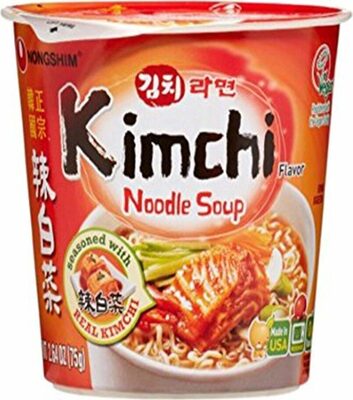
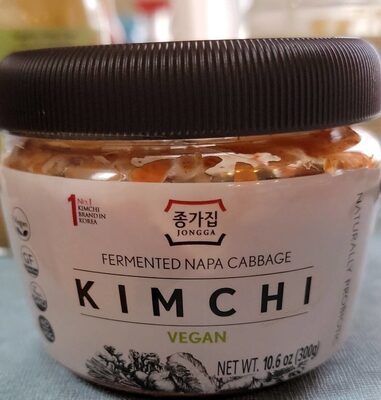

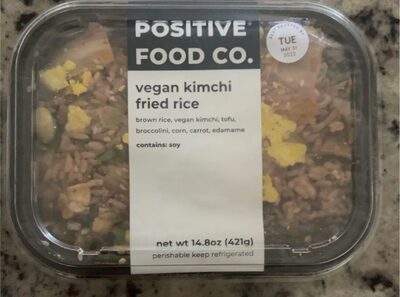
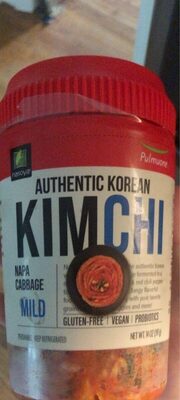
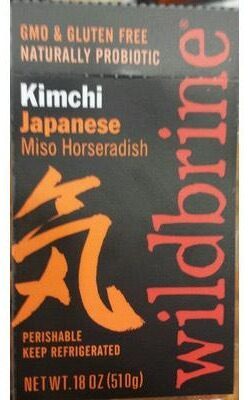
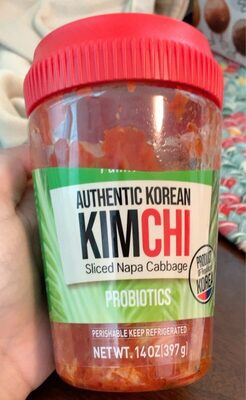
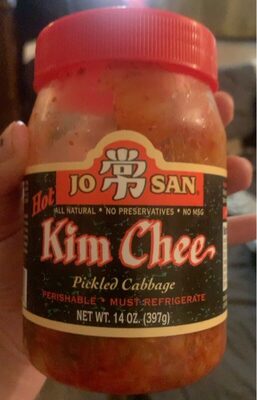
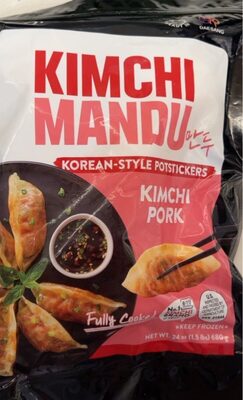
Auto-generated content. This description was generated automatically and is pending editorial review. Inaccuracies are possible. Found a mistake? Contact us.