Natural And Artificial Maple Flavor
What is Natural And Artificial Maple Flavor?
Maple flavorings can be made from natural sources like maple sap or artificial chemicals. Natural maple flavor is extracted from maple trees, while artificial maple flavor is created in a lab to mimic the taste. Often, a combination of natural and artificial components is used to achieve a desired flavor profile and cost.
Is Natural And Artificial Maple Flavor gluten-free?
It does not contain gluten.
Is Natural And Artificial Maple Flavor a major allergen?
Maple flavoring is not derived from any of the 9 major allergens.
What is Natural And Artificial Maple Flavor used for?
Manufacturers use maple flavorings to impart the characteristic sweet, woody taste of maple to a wide variety of foods.
Is Natural And Artificial Maple Flavor safe?
In the U.S., both natural and artificial flavors are regulated by the FDA.
Why it's used
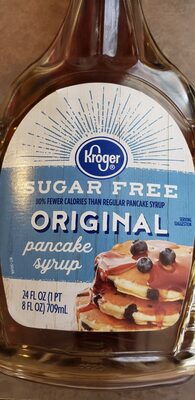
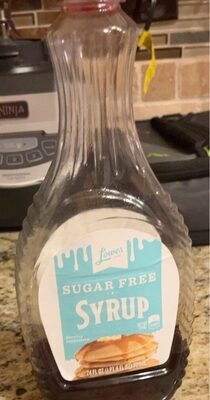
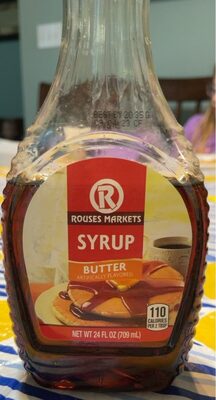
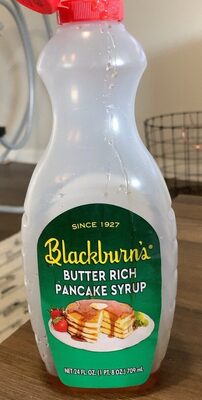
Manufacturers use maple flavorings to impart the characteristic sweet, woody taste of maple to a wide variety of foods. It is commonly found in syrups, baked goods, breakfast cereals, candies, and meat products like sausages.
Health notes
In the U.S., both natural and artificial flavors are regulated by the FDA. Artificial flavors are generally recognized as safe (GRAS) when used as intended. International bodies like JECFA and EFSA have evaluated many flavoring substances. While generally considered safe at typical consumption levels, some individuals may have sensitivities to artificial ingredients.
Allergen info
Maple flavoring is not derived from any of the 9 major allergens. It does not contain gluten.
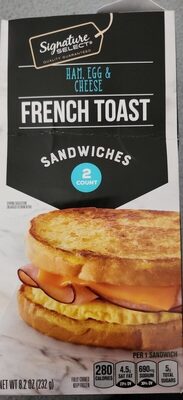
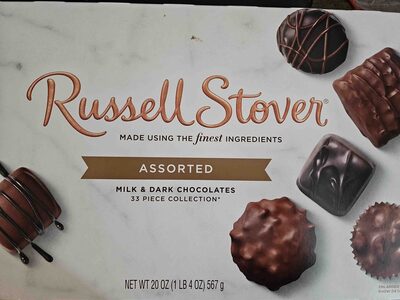
Foods that contain Natural And Artificial Maple Flavor
Compare products →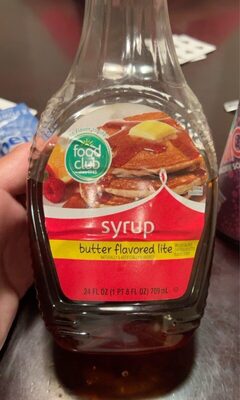
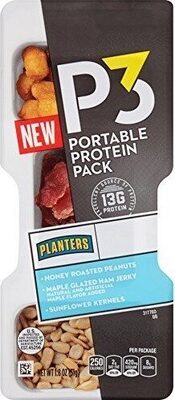
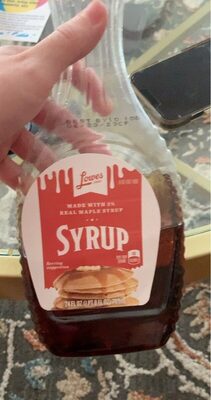
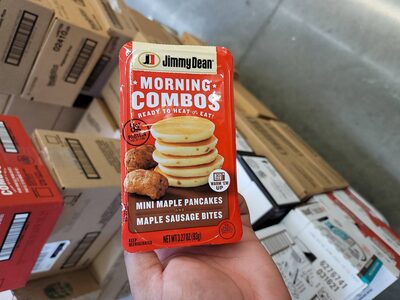
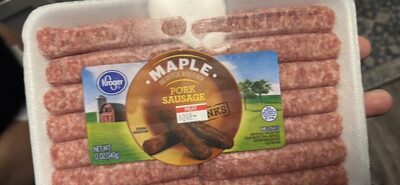
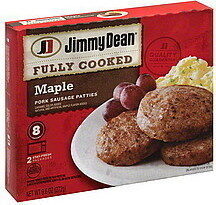
Learn more
Auto-generated content. This description was generated automatically and is pending editorial review. Inaccuracies are possible. Found a mistake? Contact us.