Natural Sunflower Lecithin
Auto-generated content. This description was generated automatically and is pending editorial review. Inaccuracies are possible. Found a mistake? Contact us.
What it is
Sunflower lecithin is a fatty substance derived from sunflower seeds. It is produced by extracting the oil from sunflower seeds and then separating the lecithin from the oil. It is often processed further to create a powder or liquid form.
Why it's used
Manufacturers use sunflower lecithin as an emulsifier, helping to blend ingredients that normally don't mix, like oil and water. It also acts as a stabilizer and can improve texture and shelf life. You'll find it in baked goods, chocolate, and snack foods.
Health notes
In the U.S., sunflower lecithin is generally recognized as safe (GRAS) by the FDA. It is a source of phospholipids, which are important components of cell membranes. International bodies like JECFA and EFSA have evaluated lecithin, but they have not set specific numeric limits for intake. Research on the health effects of lecithin at typical dietary levels has not shown significant adverse outcomes.
Allergen info
Sunflower lecithin is not derived from any of the nine major allergens recognized by the FDA. It does not contain gluten.
Products containing Natural Sunflower Lecithin
Compare products →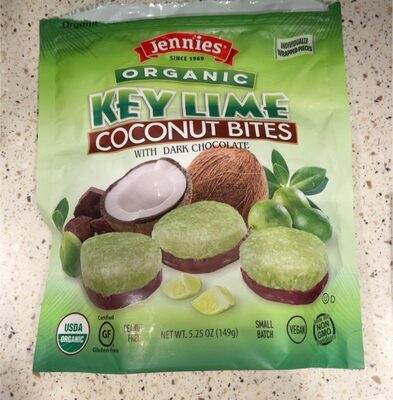 Spike's Baking Co. Inc.
Organic Macaroons Key Lime With Dark Chocolate, Key Lime With Dark Chocolate
High in saturated fat — 30% DV per serving
429kcal
4.8Protein
28.6Fat
33.3Carbs
Spike's Baking Co. Inc.
Organic Macaroons Key Lime With Dark Chocolate, Key Lime With Dark Chocolate
High in saturated fat — 30% DV per serving
429kcal
4.8Protein
28.6Fat
33.3Carbs
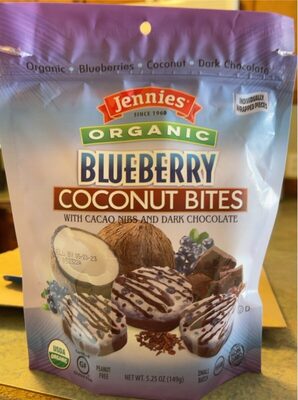 Spike's Baking Co. Inc.
Wild Blueberry Coconut Bites With Cacao Nibs And Dark Chocolate, Wild Blueberry
High in saturated fat — 25% DV per serving
429kcal
4.8Protein
28.6Fat
38.1Carbs
Spike's Baking Co. Inc.
Wild Blueberry Coconut Bites With Cacao Nibs And Dark Chocolate, Wild Blueberry
High in saturated fat — 25% DV per serving
429kcal
4.8Protein
28.6Fat
38.1Carbs
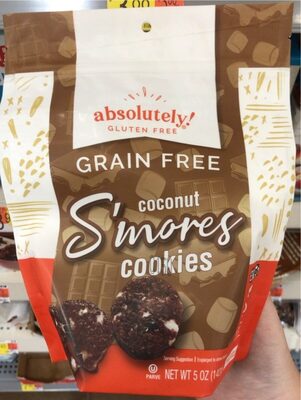 Royal Wine Corporation
Coconut S'Mores Cookies, Coconut S'Mores
High in saturated fat — 25% DV per serving
429kcal
4.8Protein
28.6Fat
42.9Carbs
Royal Wine Corporation
Coconut S'Mores Cookies, Coconut S'Mores
High in saturated fat — 25% DV per serving
429kcal
4.8Protein
28.6Fat
42.9Carbs
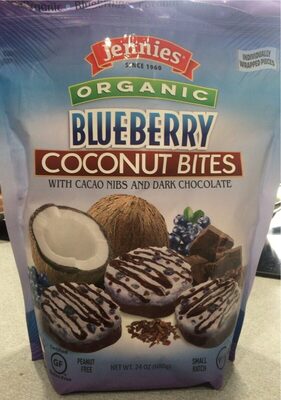 Spike's Baking Co. Inc.
Organic Wild Blueberry Coconut Bites With Cacao Nibs And Dark Chocolate, Wild Blueberry, Cacao Nibs And Dark Chocolate
High in saturated fat — 25% DV per serving
429kcal
4.8Protein
28.6Fat
38.1Carbs
Spike's Baking Co. Inc.
Organic Wild Blueberry Coconut Bites With Cacao Nibs And Dark Chocolate, Wild Blueberry, Cacao Nibs And Dark Chocolate
High in saturated fat — 25% DV per serving
429kcal
4.8Protein
28.6Fat
38.1Carbs
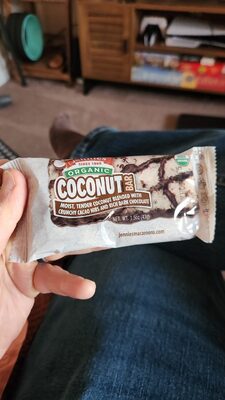 Spike's Baking Co. Inc.
Coconut Organic Moist, Tender Coconut Blended With Crunchy Cacao Nibs And Rich Dark Chocolate Bar, Coconut
High in saturated fat — 55% DV per serving
395kcal
2.3Protein
27.9Fat
32.6Carbs
Spike's Baking Co. Inc.
Coconut Organic Moist, Tender Coconut Blended With Crunchy Cacao Nibs And Rich Dark Chocolate Bar, Coconut
High in saturated fat — 55% DV per serving
395kcal
2.3Protein
27.9Fat
32.6Carbs