Nitric Acid
What is Nitric Acid?
Nitric acid is a strong mineral acid. It is produced industrially by reacting ammonia with air over a platinum catalyst. It is a colorless liquid that is corrosive and can produce toxic fumes.
Is Nitric Acid vegan?
Nitric Acid is not animal-derived. Products that contain it can still include other animal-derived ingredients, so check the full ingredient list.
Is Nitric Acid gluten-free?
It does not contain gluten.
Is Nitric Acid a major allergen?
Nitric acid is not derived from any of the 9 FDA major allergens.
What is Nitric Acid used for?
Nitric acid is used as an acidity regulator in some foods, particularly in cheese production.
Is Nitric Acid safe?
Nitric acid is not approved as a direct food additive in the United States.
Why it's used
Nitric acid is used as an acidity regulator in some foods, particularly in cheese production. It can also be used in the processing of certain food ingredients. It is found in a limited number of packaged foods.
Health notes
Nitric acid is not approved as a direct food additive in the United States. It is generally recognized as safe (GRAS) for use in food processing under specific conditions, primarily related to its role in the production of certain food components. International bodies like JECFA have evaluated substances with similar properties, but specific evaluations for nitric acid as a direct food additive may vary. High concentrations can be corrosive and harmful.
Allergen info
Nitric acid is not derived from any of the 9 FDA major allergens. It does not contain gluten.
Foods that contain Nitric Acid
Compare products →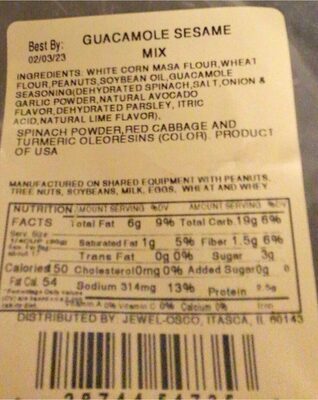
Auto-generated content. This description was generated automatically and is pending editorial review. Inaccuracies are possible. Found a mistake? Contact us.