Non-bromated
What is Non-bromated?
Non-bromated is a term used to describe products, typically baked goods, that do not contain potassium bromate. Potassium bromate is a chemical compound added to flour to improve dough strength and elasticity during baking.
Is Non-bromated vegan?
Non-bromated is not animal-derived. Products that contain it can still include other animal-derived ingredients, so check the full ingredient list.
Is Non-bromated a major allergen?
Not a major allergen.
What is Non-bromated used for?
Manufacturers add potassium bromate to flour to help dough rise better and give baked goods a finer texture and increased volume.
Is Non-bromated safe?
The term "non-bromated" indicates the absence of potassium bromate, a flour improver.
Why it's used
Manufacturers add potassium bromate to flour to help dough rise better and give baked goods a finer texture and increased volume. Products labeled "non-bromated" are made without this additive, often found in breads, rolls, and other baked goods.
Health notes
The term "non-bromated" indicates the absence of potassium bromate, a flour improver. The FDA permits potassium bromate as a food additive. However, the Joint FAO/WHO Expert Committee on Food Additives (JECFA) has stated that potassium bromate is not appropriate as a flour treatment agent and did not set an acceptable daily intake. The International Agency for Research on Cancer (IARC) classifies potassium bromate as possibly carcinogenic to humans (Group 2B). California will ban potassium bromate in food from 2027.
Allergen info
Not a major allergen.
Foods that contain Non-bromated
Compare products →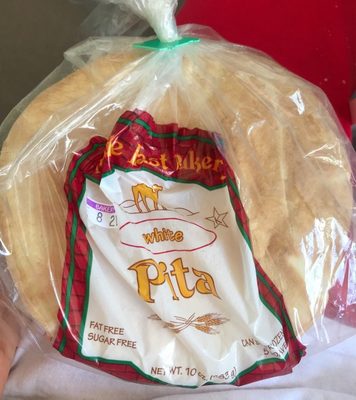
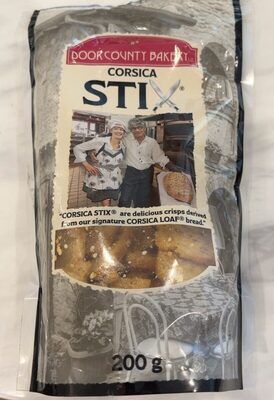
Auto-generated content. This description was generated automatically and is pending editorial review. Inaccuracies are possible. Found a mistake? Contact us.