Non-dairy Probiotic
Auto-generated content. This description was generated automatically and is pending editorial review. Inaccuracies are possible. Found a mistake? Contact us.
What it is
Probiotics are live microorganisms, like bacteria and yeasts, that are thought to provide health benefits when consumed. Non-dairy probiotics are specifically formulated to avoid ingredients derived from milk, such as whey or casein. They are often grown on plant-based media to ensure they are suitable for individuals with dairy allergies or sensitivities.
Why it's used
Non-dairy probiotics are added to foods and beverages to increase their beneficial microbial content. They are often found in products like plant-based yogurts, fermented drinks, and nutritional bars, aiming to support gut health. Manufacturers include them to enhance the perceived health value of their products.
Health notes
Probiotics are generally recognized as safe (GRAS) by the FDA for use in food. While specific non-dairy probiotic strains are not typically regulated as additives, the FDA oversees their safety and labeling. International bodies like the European Food Safety Authority (EFSA) and the Joint FAO/WHO Expert Committee on Food Additives (JECFA) have evaluated various probiotic strains, often concluding they are safe when consumed at typical levels. Research on the health effects of probiotics is ongoing, with studies suggesting potential benefits for gut health, but results can vary depending on the specific strain and individual.
Allergen info
Non-dairy probiotics themselves are not derived from the 9 major FDA allergens. However, it is important to check the ingredient list of the final product, as other ingredients may be present that contain allergens.
Products containing Non-dairy Probiotic
Compare products →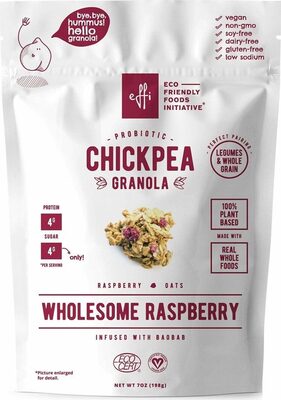 EFFI FOODS
Wholesome Raspberry Chickpea Granola Oats, Wholesome Raspberry
467kcal
13.3Protein
30Fat
40Carbs
EFFI FOODS
Wholesome Raspberry Chickpea Granola Oats, Wholesome Raspberry
467kcal
13.3Protein
30Fat
40Carbs
 EFFI FOODS
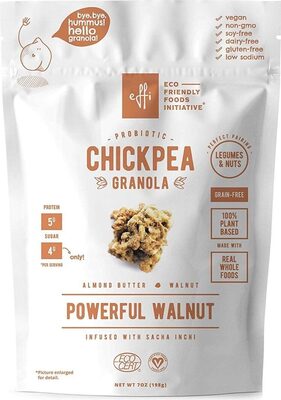
Powerful Walnut Probiotic Chickpea Granola, Powerful Walnut
533kcal
16.7Protein
40Fat
30Carbs
EFFI FOODS
Powerful Walnut Probiotic Chickpea Granola, Powerful Walnut
533kcal
16.7Protein
40Fat
30Carbs
 EFFI FOODS
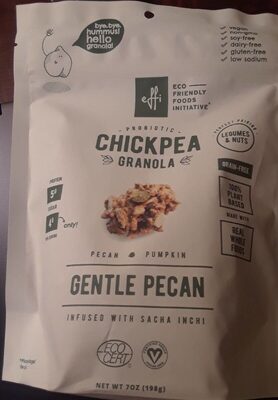
Gentle Pecan Probiotic Chickpea Granola, Gentle Pecan
533kcal
16.7Protein
40Fat
30Carbs
EFFI FOODS
Gentle Pecan Probiotic Chickpea Granola, Gentle Pecan
533kcal
16.7Protein
40Fat
30Carbs
 EFFI FOODS
Sweet Heat Probiotic Chickpea Granola, Sweet Heat
533kcal
16.7Protein
40Fat
30Carbs
EFFI FOODS
Effi, Probiotic Carebar, Coconut & Cacao Nibs Bar
400kcal
17.8Protein
22.2Fat
37.8Carbs
EFFI FOODS
Sweet Heat Probiotic Chickpea Granola, Sweet Heat
533kcal
16.7Protein
40Fat
30Carbs
EFFI FOODS
Effi, Probiotic Carebar, Coconut & Cacao Nibs Bar
400kcal
17.8Protein
22.2Fat
37.8Carbs