Noodles: Enriched Wheat Flour
Auto-generated content. This description was generated automatically and is pending editorial review. Inaccuracies are possible. Found a mistake? Contact us.
What it is
Enriched wheat flour is made from wheat grain that has had nutrients added back after processing. The milling process removes some of the natural vitamins and minerals, so enrichment adds them back, typically including iron and B vitamins like folic acid, niacin, and thiamin.
Why it's used
It is a primary ingredient in many baked goods and pasta products, providing structure and substance. Manufacturers use it in bread, crackers, pasta, and cereals because it is a readily available and versatile grain.
Health notes
Enriched wheat flour is generally recognized as safe (GRAS) by the FDA for use in food. The added nutrients can help prevent deficiencies in the population. Regulatory bodies like JECFA and EFSA have evaluated similar enriched flours. While generally considered safe, some people choose to limit refined grains in their diet.
Allergen info
Wheat is one of the 9 major allergens recognized by the FDA. Enriched wheat flour contains gluten, a protein found in wheat that can cause adverse reactions in individuals with celiac disease or non-celiac gluten sensitivity.
Products containing Noodles: Enriched Wheat Flour
Compare products →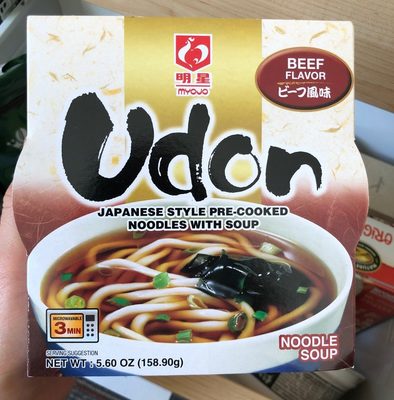 JFC International Inc.
Udon Noodle Soup, Beef
High in sodium — 58% DV per serving
126kcal
3.8Protein
0Fat
27.1Carbs
JFC International Inc.
Udon Noodle Soup, Beef
High in sodium — 58% DV per serving
126kcal
3.8Protein
0Fat
27.1Carbs
 JSL Foods, Inc.
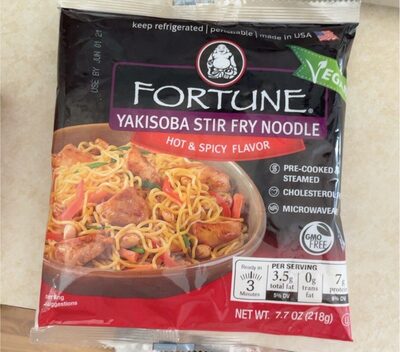
Hot & Spicy Flavor Yakisoba Stir Fry Noodle
212kcal
6.1Protein
3.5Fat
37.4Carbs
JSL Foods, Inc.
Hot & Spicy Flavor Yakisoba Stir Fry Noodle
212kcal
6.1Protein
3.5Fat
37.4Carbs