Nori
What is Nori?
Nori is a type of edible seaweed, specifically a red alga from the genus *Pyropia* (formerly *Porphyra*). It is cultivated in the ocean, harvested, and then dried into thin sheets. These sheets are often toasted before being used in food.
Is Nori vegan?
Nori is not animal-derived. Products that contain it can still include other animal-derived ingredients, so check the full ingredient list.
Is Nori gluten-free?
It does not contain gluten.
Is Nori a major allergen?
Nori is not derived from one of the 9 FDA major allergens.
What is Nori used for?
Nori is primarily used to add a savory, umami flavor and a slightly crisp texture to foods.
Is Nori safe?
Nori is a source of vitamins, minerals, and fiber.
Why it's used
Nori is primarily used to add a savory, umami flavor and a slightly crisp texture to foods. It is most famously used to wrap sushi and onigiri (rice balls). It can also be crumbled into soups, sprinkled on salads, or used as a snack.
Health notes
Nori is a source of vitamins, minerals, and fiber. It is generally recognized as safe (GRAS) by the FDA for use in food. The Joint FAO/WHO Expert Committee on Food Additives (JECFA) has evaluated nori and found it to have no safety concerns. Some studies suggest nori may have antioxidant and anti-inflammatory properties, but more research is needed.
Allergen info
Nori is not derived from one of the 9 FDA major allergens. It does not contain gluten.
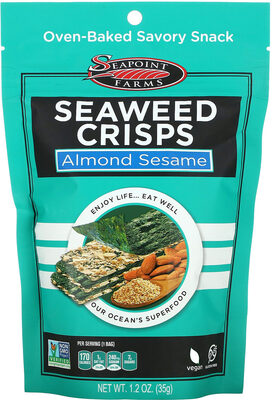
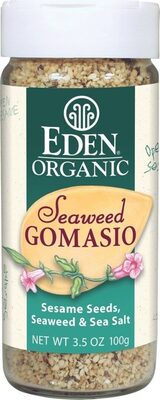
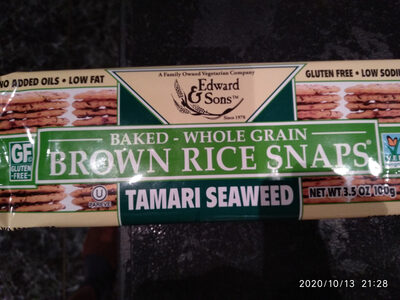
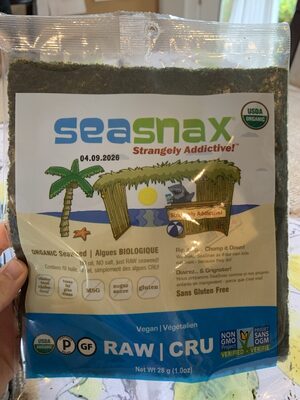
Foods that contain Nori
Compare products →
Auto-generated content. This description was generated automatically and is pending editorial review. Inaccuracies are possible. Found a mistake? Contact us.