Not Less Than 85
What is Not Less Than 85?
Not Less Than 85 is a designation for the minimum percentage of a specific ingredient, such as fruit juice, that must be present in a food product. For example, if a label says 'Pineapple Juice Not Less Than 85', it means the product contains at least 85% pineapple juice. This labeling is often used for fruit juices and other beverages to indicate the concentration of the primary ingredient.
Is Not Less Than 85 a major allergen?
Not a major allergen.
What is Not Less Than 85 used for?
Manufacturers use the 'Not Less Than' designation to clearly state the minimum percentage of a key ingredient, such as fruit juice or pulp, in their products.
Is Not Less Than 85 safe?
The designation 'Not Less Than 85' itself does not refer to an ingredient with specific health implications.
Why it's used
Manufacturers use the 'Not Less Than' designation to clearly state the minimum percentage of a key ingredient, such as fruit juice or pulp, in their products. This helps consumers understand the composition of beverages like coconut water, fruit juices, and other drinks where the concentration of a primary component is important.
Health notes
The designation 'Not Less Than 85' itself does not refer to an ingredient with specific health implications. It is a labeling requirement that indicates the minimum content of another ingredient. Regulatory bodies like the FDA set standards for how such percentages must be accurately represented on food labels to prevent consumer deception.
Allergen info
Not a major allergen. Allergen status depends on the specific ingredient that the percentage refers to.
Foods that contain Not Less Than 85
Compare products →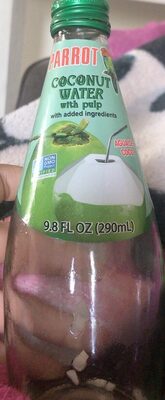
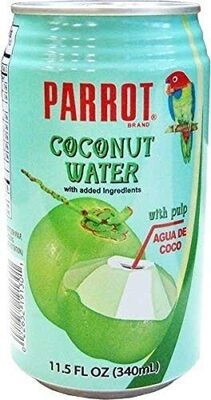
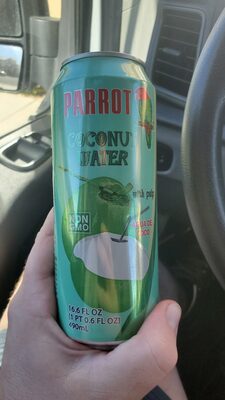
Auto-generated content. This description was generated automatically and is pending editorial review. Inaccuracies are possible. Found a mistake? Contact us.