Retention
What is Retention?
Retention is a trade name for a blend of calcium chloride and citric acid. It is used to help maintain the texture and firmness of canned fruits and vegetables. It is manufactured by adding citric acid to a calcium chloride solution.
Is Retention vegan?
Retention is not animal-derived. Products that contain it can still include other animal-derived ingredients, so check the full ingredient list.
Is Retention gluten-free?
They do not contain gluten.
Is Retention a major allergen?
Not a major allergen.
What is Retention used for?
Manufacturers add retention to canned fruits and vegetables to prevent them from becoming soft or mushy during processing and storage.
Is Retention safe?
Calcium chloride and citric acid are generally recognized as safe (GRAS) by the FDA when used as food ingredients.
Why it's used
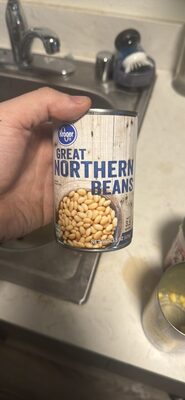
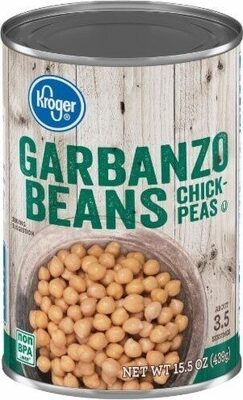
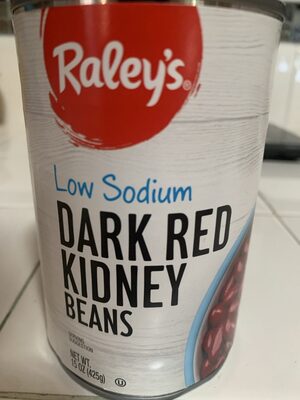
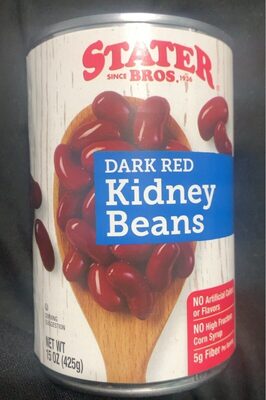
Manufacturers add retention to canned fruits and vegetables to prevent them from becoming soft or mushy during processing and storage. It helps them retain their shape and firmness, providing a more appealing texture. It is commonly found in canned fruits like peaches and pears, and vegetables like beans and artichokes.
Health notes
Calcium chloride and citric acid are generally recognized as safe (GRAS) by the FDA when used as food ingredients. Both are common food additives with well-established safety profiles. International bodies like JECFA have evaluated these substances and established acceptable daily intakes. At typical consumption levels found in food, they are not associated with adverse health effects.
Allergen info
Not a major allergen. Calcium chloride and citric acid are not derived from any of the nine FDA major allergens. They do not contain gluten.
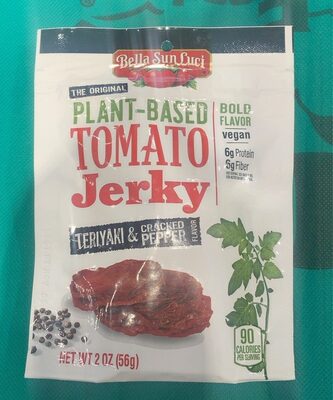
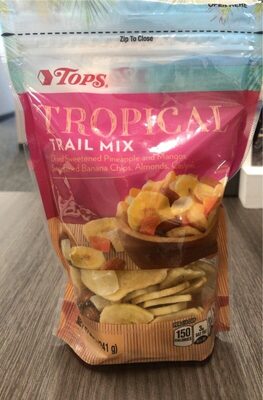
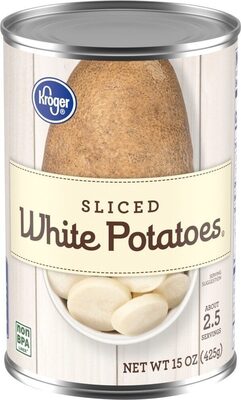
Foods that contain Retention
Compare products →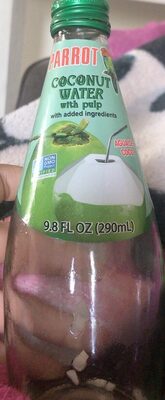
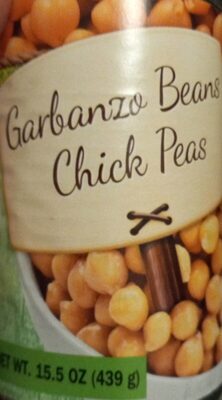
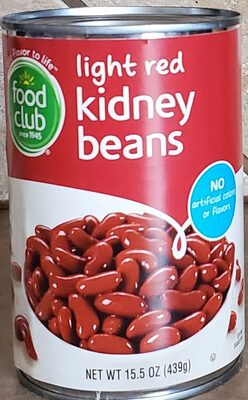
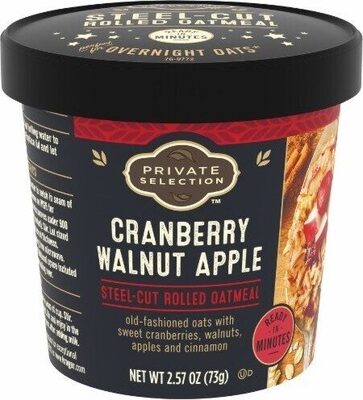

Auto-generated content. This description was generated automatically and is pending editorial review. Inaccuracies are possible. Found a mistake? Contact us.