Nulomoline
What is Nulomoline?
Nulomoline is a mixture of glucose and fructose, commonly known as invert sugar. It is produced by breaking down sucrose (table sugar) into its component simple sugars through a process called hydrolysis, which can be done using heat and acid or enzymes.
Is Nulomoline vegan?
Nulomoline is not animal-derived. Products that contain it can still include other animal-derived ingredients, so check the full ingredient list.
Is Nulomoline gluten-free?
It does not contain gluten.
Is Nulomoline a major allergen?
Nulomoline is not derived from any of the nine major allergens recognized by the FDA.
What is Nulomoline used for?
Manufacturers add nulomoline primarily as a sweetener and humectant, meaning it helps retain moisture.
Is Nulomoline safe?
Nulomoline is generally recognized as safe (GRAS) by the FDA for use in food.
Why it's used
Manufacturers add nulomoline primarily as a sweetener and humectant, meaning it helps retain moisture. This keeps baked goods like cakes, cupcakes, and pastries soft and fresh for longer periods. It also contributes to browning and a desirable texture.
Health notes
Nulomoline is generally recognized as safe (GRAS) by the FDA for use in food. It is a source of simple sugars, and like other sugars, excessive intake can contribute to caloric intake. International bodies like JECFA have evaluated invert sugar, and it is widely used globally.
Allergen info
Nulomoline is not derived from any of the nine major allergens recognized by the FDA. It does not contain gluten.
Foods that contain Nulomoline
Compare products →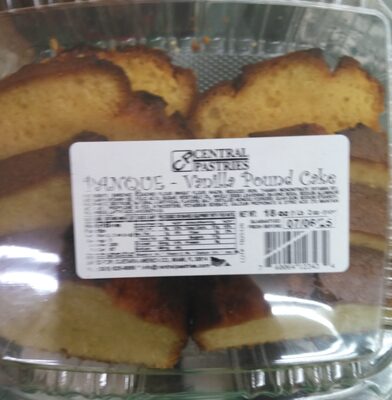
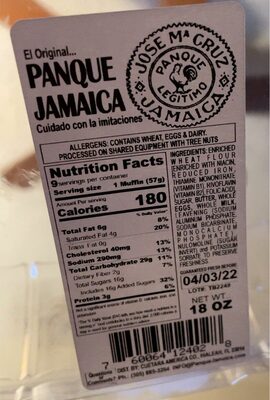
Learn more
Auto-generated content. This description was generated automatically and is pending editorial review. Inaccuracies are possible. Found a mistake? Contact us.