Nut Butter Blend
What is Nut Butter Blend?
A nut butter blend is a mixture of two or more types of nut butters, such as almond, cashew, or peanut butter. The specific nuts used can vary depending on the product. These blends are created to achieve a unique flavor profile and texture.
Is Nut Butter Blend vegan?
Nut Butter Blend is not animal-derived. Products that contain it can still include other animal-derived ingredients, so check the full ingredient list.
Is Nut Butter Blend a major allergen?
Nut butter blends are derived from tree nuts and/or peanuts, which are among the 9 FDA major allergens.
What is Nut Butter Blend used for?
Nut butter blends are used to add flavor, richness, and a smooth texture to a variety of foods.
Is Nut Butter Blend safe?
Nut butter blends are generally recognized as safe (GRAS) by the FDA when used as intended.
Why it's used
Nut butter blends are used to add flavor, richness, and a smooth texture to a variety of foods. They are commonly found in snack bars, energy bars, baked goods, and as a spread. Manufacturers use them to enhance the overall taste and mouthfeel of their products.
Health notes
Nut butter blends are generally recognized as safe (GRAS) by the FDA when used as intended. They are a source of healthy fats, protein, and fiber. Regulatory bodies like JECFA and EFSA have evaluated various nut butters, but specific evaluations for 'nut butter blends' as a composite ingredient may vary. At typical consumption levels, they contribute to a balanced diet.
Allergen info
Nut butter blends are derived from tree nuts and/or peanuts, which are among the 9 FDA major allergens. Depending on the specific nuts used, they may contain allergens like almonds, cashews, walnuts, or peanuts.
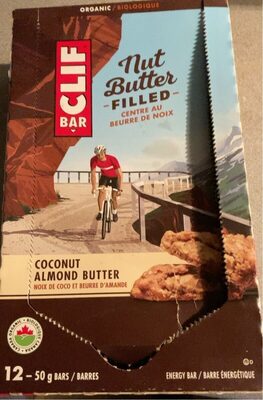
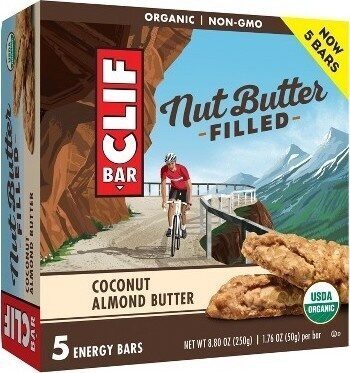
Foods that contain Nut Butter Blend
Compare products →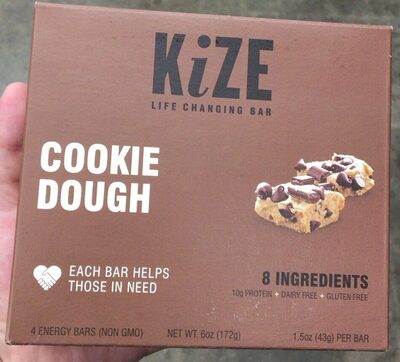
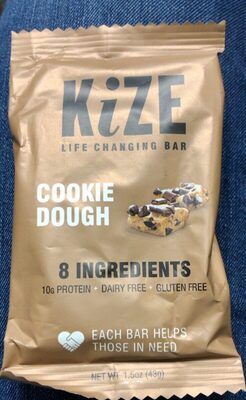
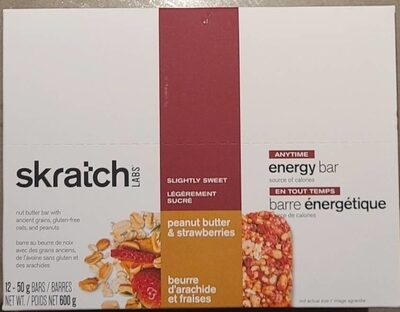
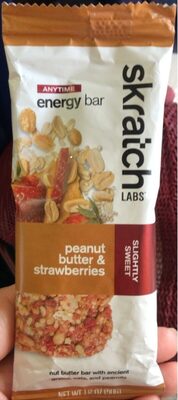
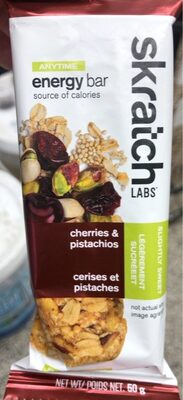
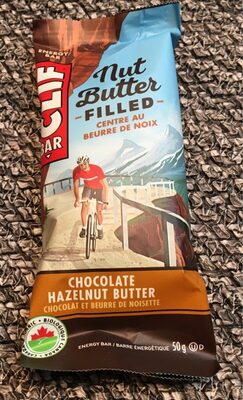
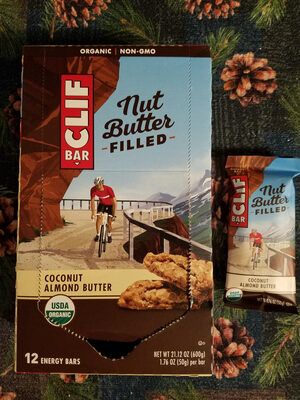
Learn more
Auto-generated content. This description was generated automatically and is pending editorial review. Inaccuracies are possible. Found a mistake? Contact us.