Oat
What is Oat?
Oats are a type of cereal grain grown for its seed. They are a whole grain, meaning they contain all parts of the grain kernel: the bran, germ, and endosperm. Oats are typically processed into rolled oats, steel-cut oats, or oat flour for use in food products.
Is Oat vegan?
Oat is not animal-derived. Products that contain it can still include other animal-derived ingredients, so check the full ingredient list.
Is Oat gluten-free?
However, oats can be contaminated with gluten from wheat, barley, or rye during growing or processing.
Is Oat a major allergen?
Oats themselves are not one of the 9 major allergens.
What is Oat used for?
Oats are often used as a whole grain ingredient in breakfast cereals, granola bars, and baked goods like cookies and muffins.
Is Oat safe?
Oats are recognized as a whole grain and are a good source of dietary fiber, particularly beta-glucan.
Why it's used
Oats are often used as a whole grain ingredient in breakfast cereals, granola bars, and baked goods like cookies and muffins. They can also be used as a thickener in soups and stews, or as a binder in meatloaf and veggie burgers.
Health notes
Oats are recognized as a whole grain and are a good source of dietary fiber, particularly beta-glucan. The FDA recognizes that soluble fiber from oats, like beta-glucan, may reduce the risk of heart disease. JECFA has evaluated oats and found no safety concerns. They are generally considered safe and beneficial when consumed as part of a balanced diet.
Allergen info
Oats themselves are not one of the 9 major allergens. However, oats can be contaminated with gluten from wheat, barley, or rye during growing or processing. Products labeled 'gluten-free oats' have been processed to remove gluten.
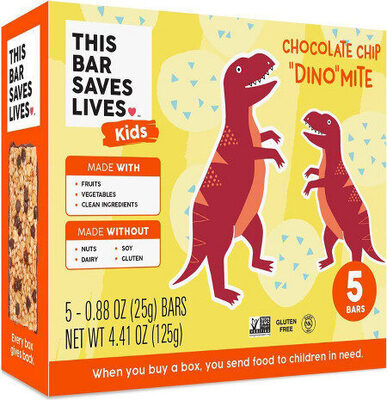
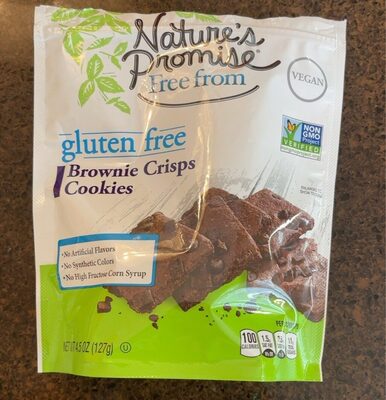
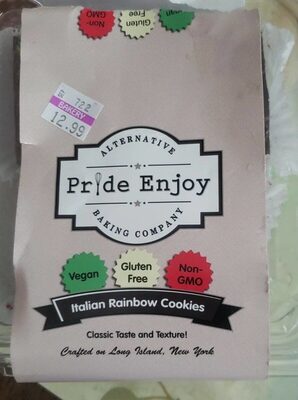
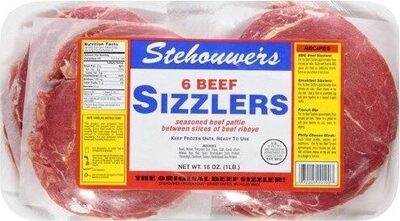
Foods that contain Oat
Compare products →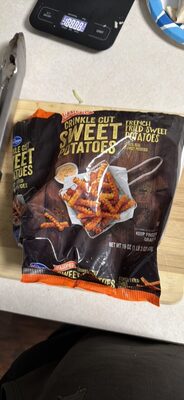
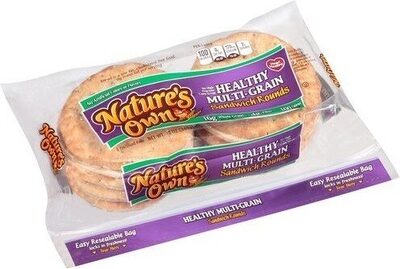
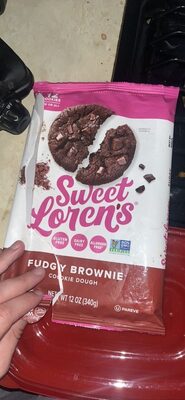
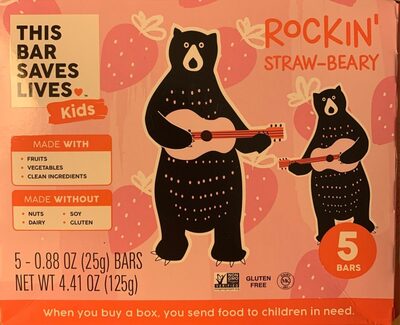

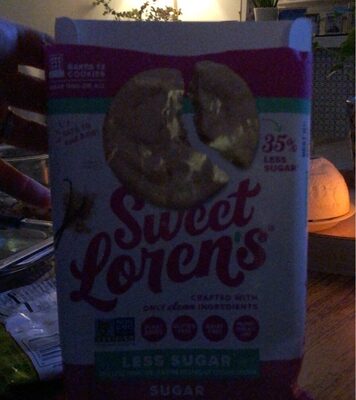
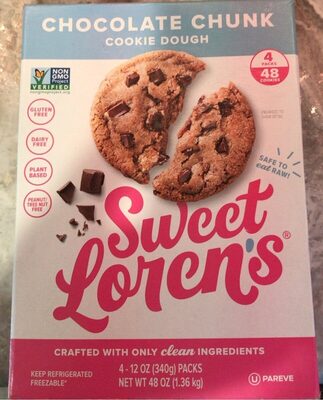
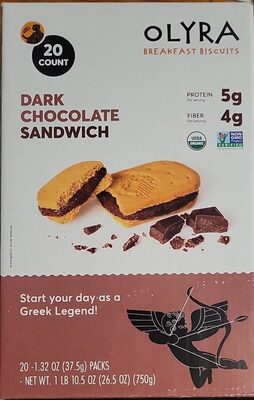
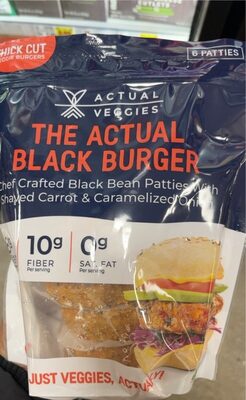
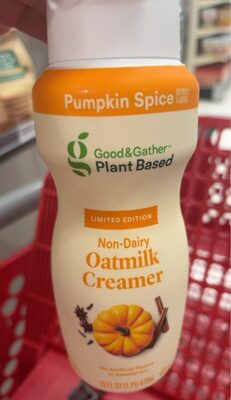
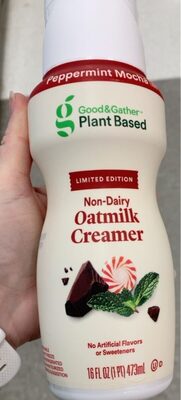
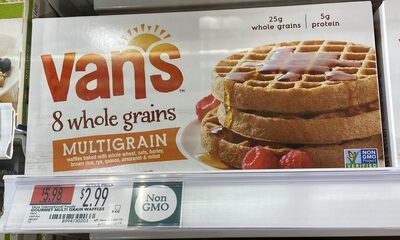
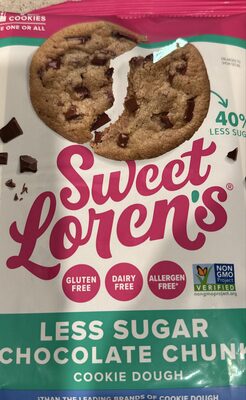
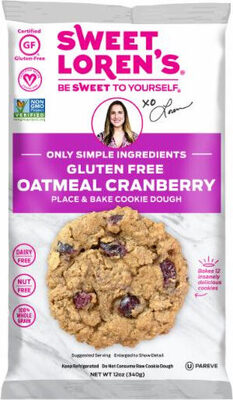
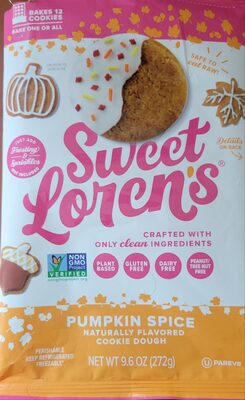
Learn more
Auto-generated content. This description was generated automatically and is pending editorial review. Inaccuracies are possible. Found a mistake? Contact us.