Ocean Clams
What is Ocean Clams?
Ocean clams are bivalve mollusks found in marine waters worldwide. They are typically harvested from the ocean floor by dredging or raking. After harvesting, they are cleaned, shucked, and often canned or frozen for sale.
Is Ocean Clams vegan?
No. Ocean Clams is animal-derived, so it is not vegan.
Is Ocean Clams a major allergen?
Ocean clams are classified as shellfish, which is one of the 9 major food allergens recognized by the FDA.
What is Ocean Clams used for?
Clams are used as a primary ingredient in seafood dishes, particularly chowders, bisques, and pasta sauces.
Is Ocean Clams safe?
Ocean clams are a natural food product and are not subject to FDA additive regulations.
Why it's used
Clams are used as a primary ingredient in seafood dishes, particularly chowders, bisques, and pasta sauces. They provide a distinct savory, briny flavor and a tender texture. Canned clams are also used in appetizers like stuffed clams.
Health notes
Ocean clams are a natural food product and are not subject to FDA additive regulations. They are a good source of protein, vitamins, and minerals, including vitamin B12, selenium, and zinc. The WHO/IARC has not classified clams regarding carcinogenicity. No major health controversies are associated with typical consumption of clams.
Allergen info
Ocean clams are classified as shellfish, which is one of the 9 major food allergens recognized by the FDA. People with shellfish allergies should avoid consuming clams.
Foods that contain Ocean Clams
Compare products →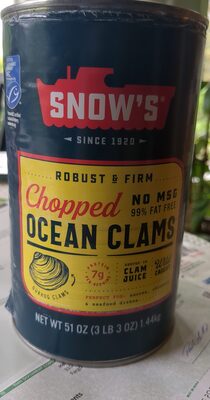
Learn more
Auto-generated content. This description was generated automatically and is pending editorial review. Inaccuracies are possible. Found a mistake? Contact us.