Oil Powder
What is Oil Powder?
Oil powder is a dry ingredient made by combining a liquid oil with a carrier, such as starch or maltodextrin, and then drying the mixture. This process transforms the oil into a free-flowing powder. It is often produced using spray-drying technology.
Is Oil Powder gluten-free?
Gluten-free versions are available.
Is Oil Powder a major allergen?
Oil powder is not a major allergen.
What is Oil Powder used for?
Manufacturers add oil powder to improve texture, extend shelf life, and provide a source of fat in dry mixes.
Is Oil Powder safe?
Oil powder is generally recognized as safe (GRAS) by the FDA when used as intended.
Why it's used
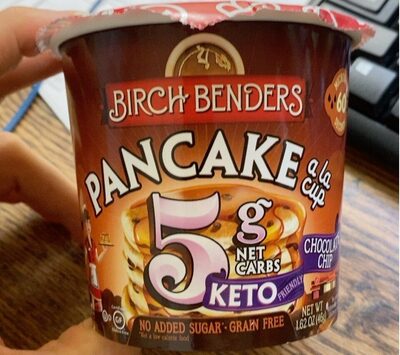
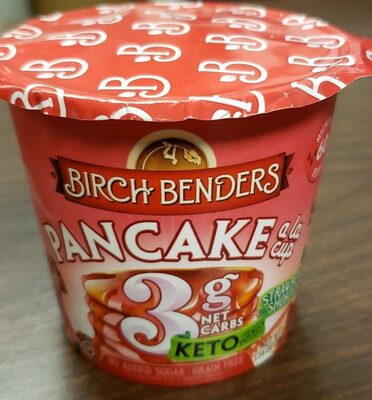
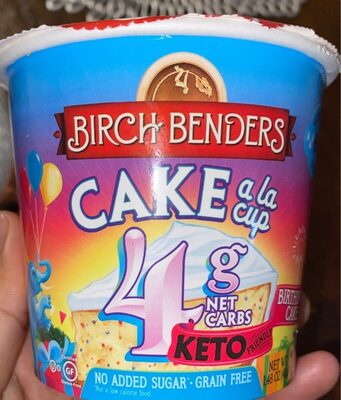
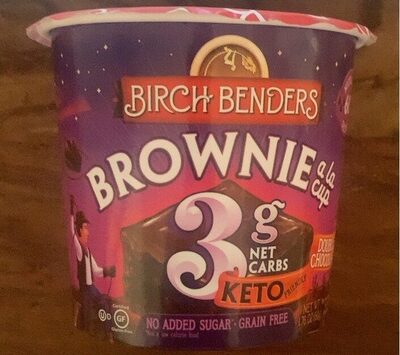
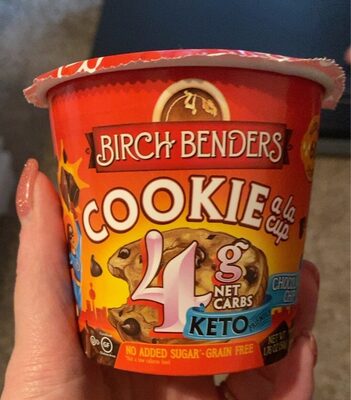
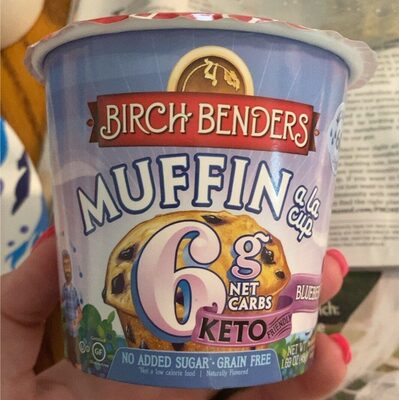
Manufacturers add oil powder to improve texture, extend shelf life, and provide a source of fat in dry mixes. It helps prevent ingredients from clumping and can add richness to baked goods. It is commonly found in cake mixes, cookie mixes, and pancake mixes.
Health notes
Oil powder is generally recognized as safe (GRAS) by the FDA when used as intended. The ingredients used to create oil powder, like starches and maltodextrin, are common food components. Regulatory bodies like JECFA and EFSA have evaluated the individual components of oil powders. Evidence does not suggest adverse health effects from typical consumption of foods containing oil powder.
Allergen info
Oil powder is not a major allergen. However, depending on the specific carrier used, it may be derived from wheat or soy, which are major allergens. Gluten-free versions are available.
Foods that contain Oil Powder
Compare products →
Learn more
Auto-generated content. This description was generated automatically and is pending editorial review. Inaccuracies are possible. Found a mistake? Contact us.