Oleoresin Rosemary
What is Oleoresin Rosemary?
Oleoresin rosemary is a concentrated extract from the rosemary plant (Rosmarinus officinalis). It is made by extracting the plant's compounds using solvents, then removing the solvent to leave behind a resinous material.
Is Oleoresin Rosemary vegan?
Oleoresin Rosemary is not animal-derived. Products that contain it can still include other animal-derived ingredients, so check the full ingredient list.
Is Oleoresin Rosemary gluten-free?
It does not contain gluten.
Is Oleoresin Rosemary a major allergen?
Oleoresin rosemary is not derived from any of the nine FDA major allergens.
What is Oleoresin Rosemary used for?
Manufacturers use oleoresin rosemary primarily as a natural antioxidant to prevent fats and oils in foods from becoming rancid, extending shelf life.
Is Oleoresin Rosemary safe?
In the U.S., oleoresin rosemary is generally recognized as safe (GRAS) by the FDA when used as a flavoring and antioxidant.
Why it's used
Manufacturers use oleoresin rosemary primarily as a natural antioxidant to prevent fats and oils in foods from becoming rancid, extending shelf life. It is commonly found in processed meats, baked goods, salad dressings, and snacks.
Health notes
In the U.S., oleoresin rosemary is generally recognized as safe (GRAS) by the FDA when used as a flavoring and antioxidant. It is considered safe at levels typically found in food. EFSA has also evaluated rosemary extracts, noting their antioxidant properties. Research suggests potential benefits from compounds in rosemary, but more studies are needed to confirm these effects in humans at dietary intake levels.
Allergen info
Oleoresin rosemary is not derived from any of the nine FDA major allergens. It does not contain gluten.
Foods that contain Oleoresin Rosemary
Compare products →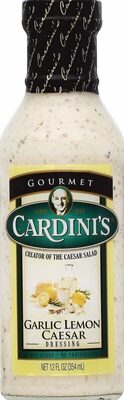
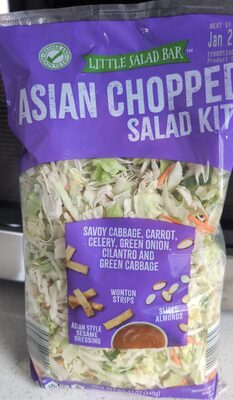
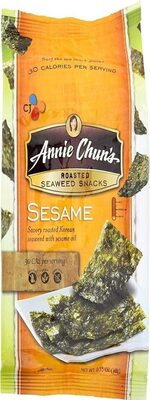
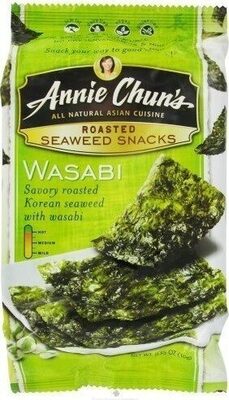
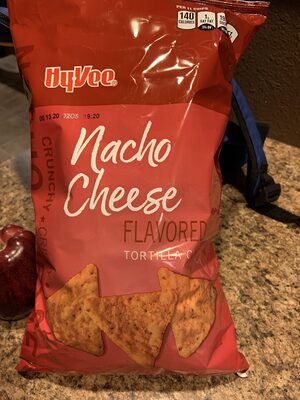
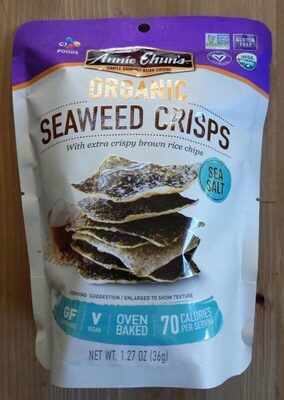
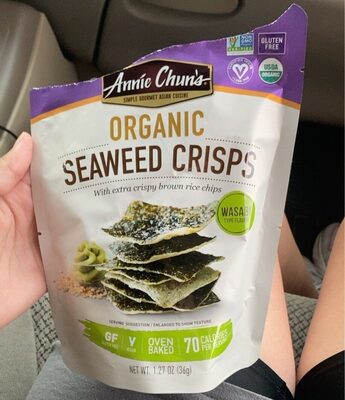
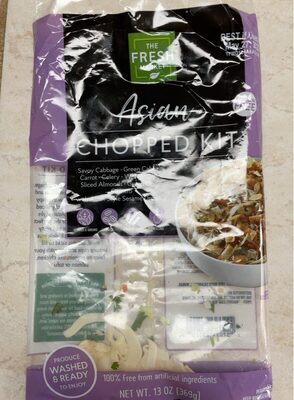
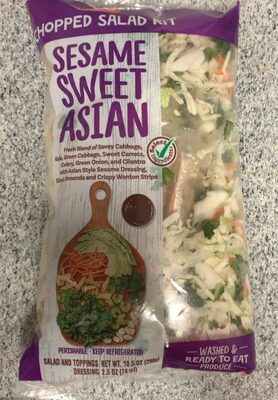
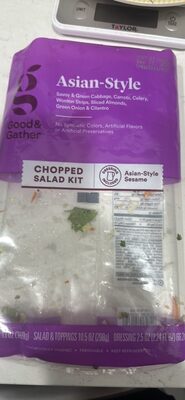
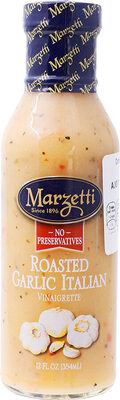
Learn more
Auto-generated content. This description was generated automatically and is pending editorial review. Inaccuracies are possible. Found a mistake? Contact us.