Olive
Auto-generated content. This description was generated automatically and is pending editorial review. Inaccuracies are possible. Found a mistake? Contact us.
What it is
Olives are the fruit of the olive tree, native to the Mediterranean region. They are typically harvested when green or black and then cured to make them edible. Curing methods include brining in salt water, dry curing with salt, or processing in a lye solution.
Why it's used
Olives are used whole, sliced, or chopped as a flavorful ingredient in many dishes. They add a salty, briny taste and a firm texture to salads, pizzas, pasta sauces, and antipasto platters. Manufacturers also use olive oil, pressed from olives, as a cooking fat and flavor enhancer.
Health notes
Olives are recognized as safe by the FDA when used as a food ingredient. They are a source of monounsaturated fats, which are considered heart-healthy. Regulatory bodies like JECFA have evaluated olives and olive oil. While generally considered healthy, some individuals may experience digestive upset due to their high fiber and fat content.
Allergen info
Olives are not one of the nine major allergens recognized by the FDA. They do not contain gluten.
Products containing Olive
Compare products →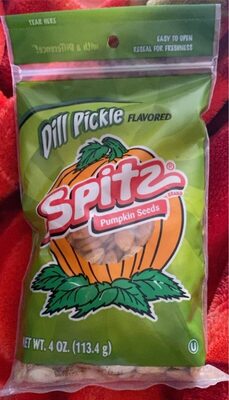 Frito-Lay Company
Dill Pickle Pumpkin Seeds, Dill Pickle
High in sodium — 38% DV per serving
536kcal
25Protein
42.9Fat
17.9Carbs
The Bagelry
Pumpkin Spice
394kcal
3.0Protein
15.2Fat
60.6Carbs
The Bagelry
Chocolate Chip Walnut Cookies
438kcal
3.1Protein
14.1Fat
65.6Carbs
The Bagelry
Chocolate Chip Cookies
438kcal
3.1Protein
14.1Fat
65.6Carbs
Frito-Lay Company
Dill Pickle Pumpkin Seeds, Dill Pickle
High in sodium — 38% DV per serving
536kcal
25Protein
42.9Fat
17.9Carbs
The Bagelry
Pumpkin Spice
394kcal
3.0Protein
15.2Fat
60.6Carbs
The Bagelry
Chocolate Chip Walnut Cookies
438kcal
3.1Protein
14.1Fat
65.6Carbs
The Bagelry
Chocolate Chip Cookies
438kcal
3.1Protein
14.1Fat
65.6Carbs
 Catherine B. Ming Inc.
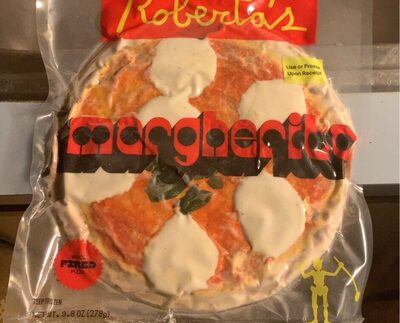
Roberta's, Wood Fired Pizza, Margherita, Margherita
High in sodium — 27% DV per serving
High in saturated fat — 25% DV per serving
266kcal
8.6Protein
11.5Fat
32.4Carbs
Kings Super Markets Inc
Organic Hummus, Roasted Red Pepper
179kcal
7.1Protein
8.9Fat
17.9Carbs
Danone US, LLC
Soymilk Cookie Dough Non-Dairy Frozen Dessert, Soymilk
216kcal
1.0Protein
9.3Fat
35.0Carbs
Kohl Corporation
Organic Hummus, Original
214kcal
7.1Protein
16.1Fat
17.9Carbs
Catherine B. Ming Inc.
Roberta's, Wood Fired Pizza, Margherita, Margherita
High in sodium — 27% DV per serving
High in saturated fat — 25% DV per serving
266kcal
8.6Protein
11.5Fat
32.4Carbs
Kings Super Markets Inc
Organic Hummus, Roasted Red Pepper
179kcal
7.1Protein
8.9Fat
17.9Carbs
Danone US, LLC
Soymilk Cookie Dough Non-Dairy Frozen Dessert, Soymilk
216kcal
1.0Protein
9.3Fat
35.0Carbs
Kohl Corporation
Organic Hummus, Original
214kcal
7.1Protein
16.1Fat
17.9Carbs